Best Hiking Gear for Seniors: Comfort, Support, Safety
Expert picks and fit advice to keep older hikers comfortable, stable, and safe without adding weight or cost.
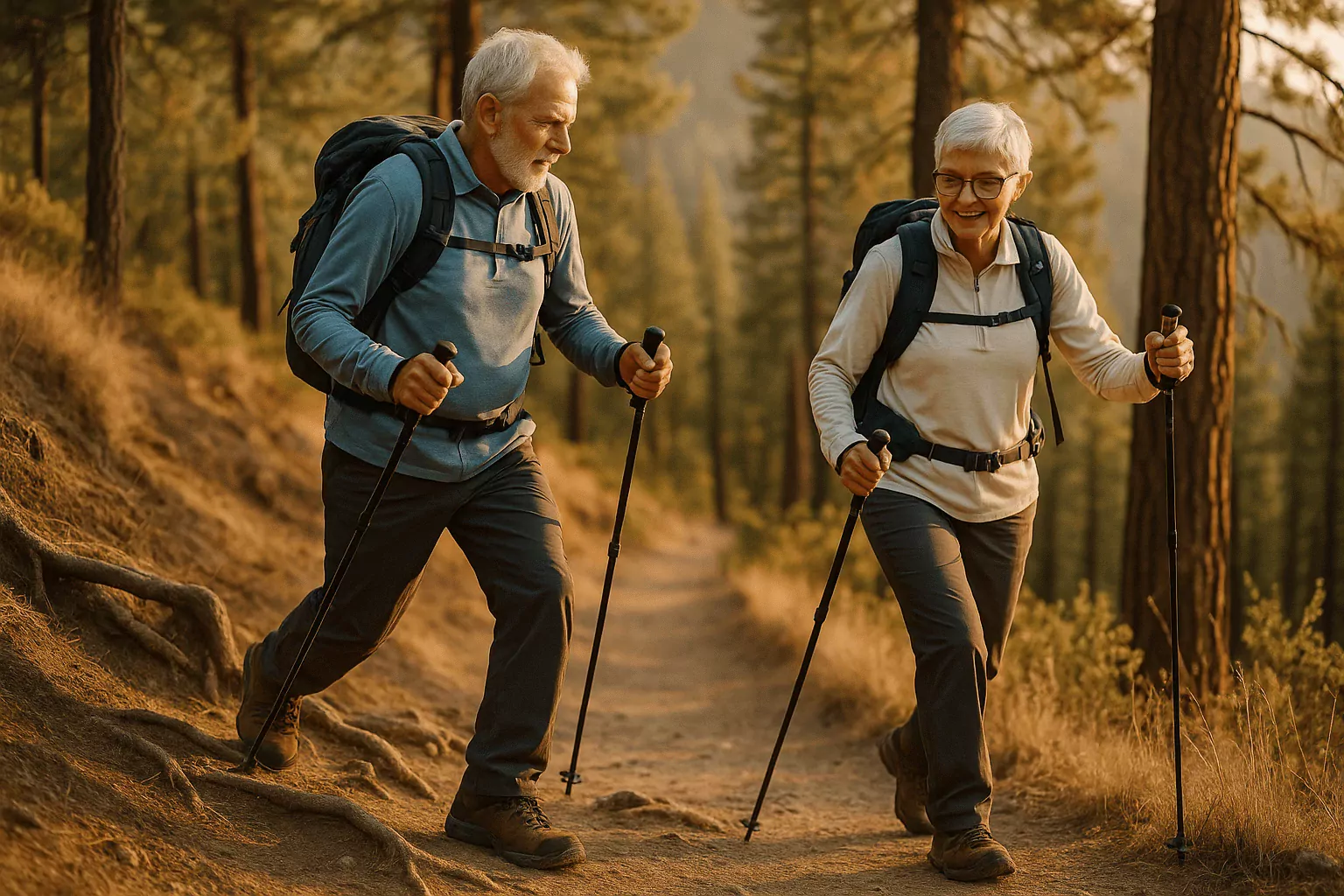
Stable Footwear and Joint Support
Supportive hiking boots for older adults: fit and features
Choosing the best hiking gear for seniors starts at the ground, with boots that stabilize every step. Supportive hiking boots for older adults should balance cushion and structure so ankles feel secure without pressure points. Look for a roomy toe box, a mid-height collar, and a mild heel-to-toe drop that preserves natural gait. Materials matter: leather resists abrasion, while modern synthetics dry faster and cut weight. Try boots late in the day when feet are slightly swollen, and wear your hiking socks to ensure a true, trail-ready fit.
Focus on midsoles that absorb shock and outsoles that grip confidently on wet and dry rock. A snug heel lock prevents slippage and hot spots during long descents. If your arches tire quickly, choose models with removable insoles so you can fine-tune support. Senior hiking equipment should reduce strain, not add it, so prioritize lighter boots that still deliver stability. Break in new footwear gradually across short walks before committing to bigger elevation.
The best hiking gear for seniors: traction and ankle support
Traction keeps you upright when trails turn slick, so match lug patterns to your terrain. Deep, spaced lugs shed mud, while closer, sticky compounds excel on slabby rock. The best hiking gear for seniors also includes reliable ankle support that does not limit natural movement. A balanced boot flex protects on off-camber ground yet allows an easy roll-through stride. Pair this with lacing that cinches midfoot security without cutting circulation.
Consider hybrid trail shoes for smoother paths and mid-cut boots for mixed surfaces and load-bearing days. If you use poles, a slightly softer sole can feel smoother since poles add lateral stability. Supportive hiking boots for older adults built with shanks or plates help tame sharp stones without feeling stiff. Test traction on a store ramp or curb to sense bite and braking. Keep soles clean between hikes to preserve grip and extend lifespan.
Insoles and socks that prevent fatigue and blisters
Thoughtful footbeds and socks turn decent footwear into all-day performers. Quality insoles align arches, spread pressure, and tame foot fatigue on long grades. Choose cushioning thickness that matches your pack weight and terrain, adjusting volume with removable layers. Technical socks manage moisture, reduce friction, and cushion impact across heels and toes. As part of senior hiking equipment, these small upgrades deliver outsized comfort on every mile.
Merino blends regulate temperature and resist odor, while synthetic yarns dry quickly in humid climates. Seamless toes and targeted padding prevent hot spots, especially during steep descents. Rotate pairs to keep fibers fresh and compressive properties consistent. Swap insoles every 300-500 miles as foam rebounds less over time. Carry a spare pair of socks in a zip bag to reset comfort mid-hike.
Smart Packs, Poles, and Trail Comfort
Ergonomic backpacks for seniors: weight distribution that works
A well-fitted pack keeps energy for the trail instead of fighting your shoulders. Ergonomic backpacks for seniors shift weight to the hips via a supportive belt and shaped frame. Look for adjustable torso length, plush lumbar pads, and easy-to-pull buckles. Keep base weight low and pack heavy items close to the spine, mid-back level, to stabilize movement. Senior hiking equipment should invite longer outings by minimizing hot spots and pressure.
Choose simple, front-access pockets so you reach layers, water, and snacks without removing the pack often. Ventilated back panels reduce sweat and skin irritation on warm days. For day hikes, 18-28 liters covers layers, water, and essentials; for overnights, 30-45 liters works if your kit is compact. Ergonomic backpacks for seniors with forward-pull hip belts are easier on hands and shoulders. Test pack fit with 10-15 pounds to see how suspension rides on real weight.
Lightweight trekking poles for seniors: adjustability and grip
Poles act like mobile handrails, easing knees on descents and adding rhythm on climbs. Lightweight trekking poles for seniors should adjust quickly and lock securely without hand strain. Foam or cork grips manage sweat and reduce vibration on rocky ground. Wrist straps need easy micro-adjustment so you can relax your grip on long traverses. Match pole length to posture; elbows should sit near 90 degrees on level trail.
For maximum stability, plant poles slightly ahead and outside the feet, syncing with opposite leg steps. On steep downhills, lengthen a few centimeters to keep your torso upright and knees happier. Three-section poles pack small; fixed-length carbon models shed grams for fast outings. Lightweight trekking poles for seniors with interchangeable baskets handle mud and snow seasons. Replace worn tips to preserve bite on granite and roots.
The best hiking gear for seniors to stay comfortable in any weather
Comfort on changeable trails comes from smart layering, not bulky insulation. Start with a wicking base, add a light insulating mid-layer, and carry a breathable rain shell. Senior hiking equipment shines when it balances warmth, wind protection, and packability. Sun hats, UV sleeves, and sunglasses protect skin and eyes without adding much weight. In shoulder seasons, light gloves and a neck gaiter offer big warmth for little space.
Choose fabrics that dry fast and stretch with movement to cut chafing and fatigue. Vent zips and full-length fronts help dump heat on climbs and seal in warmth on ridgelines. Keep a dry "camp layer" bagged inside your pack for breaks and unexpected weather. Ergonomic backpacks for seniors make accessing these layers quick, so you stay moving. For hot days, airy shirts with UPF ratings and mesh panels keep miles pleasant.
Safety, Navigation, and Recovery Essentials
Hiking safety tips for seniors: planning, pacing, and partners
Good plans turn good gear into great days. Review weather, route grade, and bail-out points before you leave the driveway. Share your itinerary and expected return time, and carry IDs and critical meds. Hiking safety tips for seniors emphasize steady pacing, frequent micro-breaks, and fueling early, not late. The best hiking gear for seniors pairs with realistic goals so energy and morale stay high.
Use time benchmarks instead of distance alone, adjusting for elevation and footing. Start cool, finish warm: begin with light layers and add insulation at rest stops. Carry a compact first-aid kit and know how to handle blisters, minor sprains, and sun exposure. Keep a whistle and small light within reach, not buried at the bottom of the pack. Revisit hiking safety tips for seniors each season as conditions and fitness change.
Navigation tools and simple tech for confidence
Know where you are, where you're going, and how to return if tech fails. Carry a paper map and small compass even if you use a phone or GPS watch. Download offline maps and store emergency contacts for areas with spotty coverage. Keep devices in a zip bag and manage power with airplane mode and screen brightness. Senior hiking equipment should always include a reliable light, even on day hikes.
Practice short navigational checks so you never wander far off route. Mark trail junctions mentally or on your map, and confirm bearings before committing to side paths. A basic satellite messenger adds peace of mind for remote walks with simple check-ins. Ergonomic backpacks for seniors often have hip-belt pockets that keep tech accessible but secure. Reassess battery life at lunch and set a "headlamp time" well before dusk.
Recovery tools and trail nutrition that help you bounce back
Strong recoveries make the next hike better than the last. Eat a mix of carbs, protein, and salt during and after your walk to replenish muscles and fluids. Pack easy chews, nuts, and a soft flask so fueling never feels like a chore. Gentle stretching, light massage, and foot rolling reduce next-day stiffness. Senior hiking equipment can include compact recovery aids that weigh almost nothing but pay off greatly.
Hydrate steadily with electrolyte tabs on warm days or long climbs. Stash a small roller or massage ball in an exterior pocket for quick trailhead sessions. Swap into dry socks and breathable shoes for the drive home to keep skin happy. Supportive hiking boots for older adults last longer when they dry fully between outings. Track how you feel the next morning and adjust pace, layers, or pack weight accordingly.
Frequently Asked Questions
What makes hiking gear "senior-friendly," and how is it different?
Senior-friendly gear prioritizes stability, fit adjustability, and low weight without sacrificing durability. Supportive hiking boots for older adults add ankle structure and shock absorption to protect joints. Ergonomic backpacks for seniors shift load to the hips and fine-tune torso length for posture. Lightweight trekking poles for seniors reduce knee stress and improve balance over uneven ground. Senior hiking equipment also favors simple, glove-friendly hardware that is easy to operate. The best hiking gear for seniors meets these needs while staying comfortable on varied terrain.
How do I size and fit supportive hiking boots for older adults?
Measure both feet late in the day and fit the larger one to prevent toe bang on descents. Try boots with your hiking socks and custom insoles if you use them. Look for a thumb-width of space at the toes, a locked-in heel, and even pressure across the laces. Walk up and down a ramp or stairs to test slippage and forefoot spread. Supportive hiking boots for older adults should feel secure, not tight, and break in within a few short walks. If bunions or orthotics are part of your plan, consider wide sizes and models with removable footbeds.
Are lightweight trekking poles for seniors really necessary on easy trails?
Poles are helpful even on mellow paths because they smooth stride and share impact with your arms. Lightweight trekking poles for seniors reduce fatigue over time and add confidence on loose gravel or wet leaves. They also help set a steady rhythm that supports efficient breathing and pacing. If you carry a pack, poles offset the extra load on knees and ankles. On busier trails, they can gently signal space and improve footing around obstacles. For many hikers, poles are part of the best hiking gear for seniors because the benefits show up mile after mile.