Does Hiking Help With Longevity? Science, Benefits, Tips
Actionable, research-based guidance for adults using hiking to improve longevity, heart health, strength, and mental well‑being.
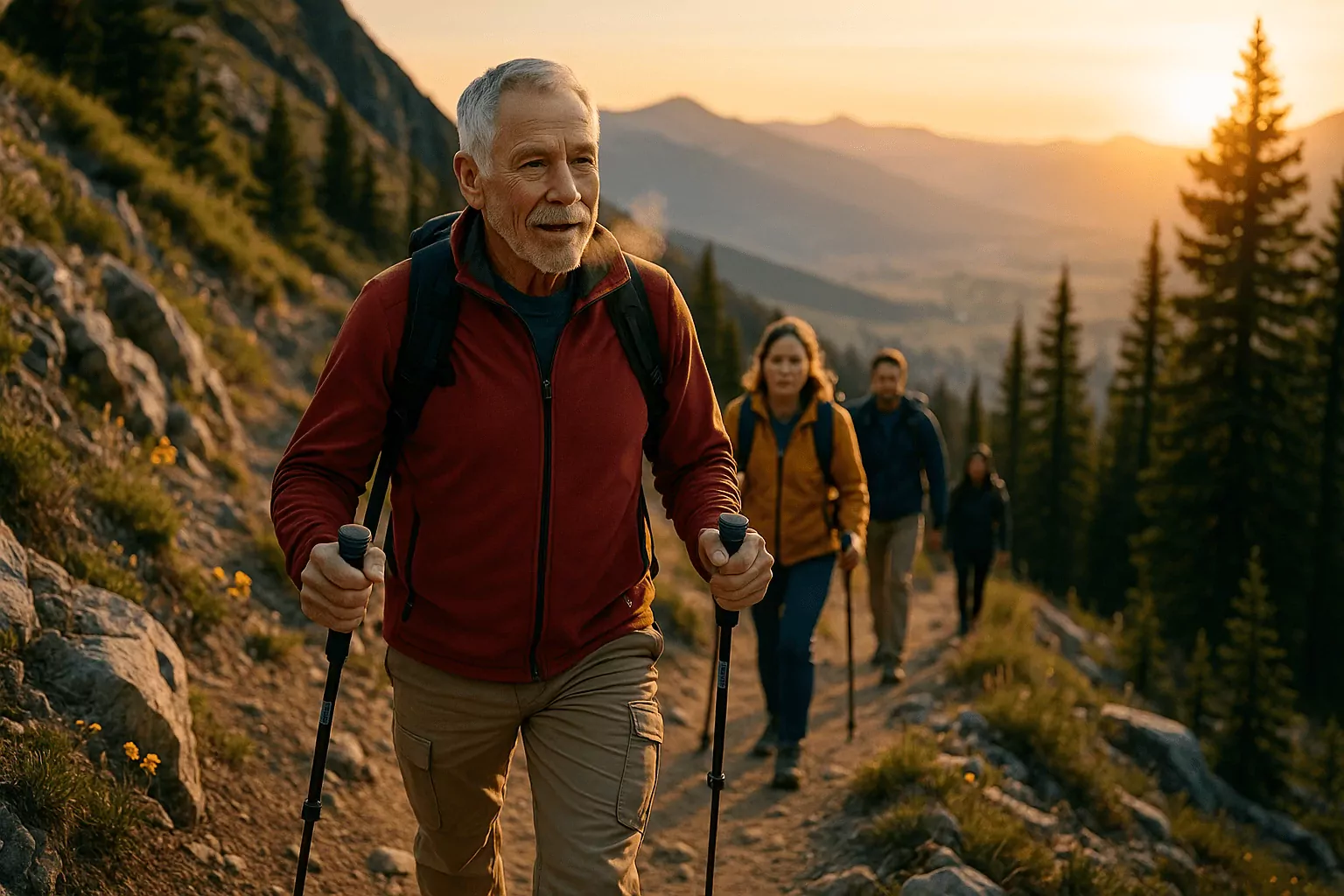
How Hiking Supports Longevity at Every Age
Does hiking help with longevity? The short answer
People ask a simple question: does hiking help with longevity? The evidence points strongly toward yes, because hiking blends aerobic training, strength demands, balance work, and time in nature. Together these factors support healthier aging, lower disease risk, and a more resilient body and mind. You gain the core hiking health benefits of improved cardiovascular fitness, blood-sugar control, bone loading, and mood regulation. When viewed through the lens of hiking and lifespan, regular time on trails functions like a multiâvitamin for your movement system. It is also a pragmatic form of outdoor exercise longevity because it scales from gentle paths to challenging climbs.
Unlike gym routines that can feel repetitive, trails naturally vary grade, surface, and scenery, which keeps effort dynamic and engaging. That variety nudges your heart rate through easy, moderate, and brief hard zones without overplanning, a win for cardiovascular health hiking. It also challenges stabilizer muscles and reflexes, sharpening coordination that protects you from falls later in life. Even a brisk hour on a rolling trail offers many of the same advantages as walking for longevity, with added elevation and strength stimulus. Over months and years, these compounded benefits build capacity, confidence, and community-three pillars that correlate with longer healthspan. Put simply, hiking makes the right choices easier to sustain.
Mobility, strength, and balance keep you independent
Longevity is not just about years lived; it is about years lived well and independently. Hiking strengthens the calves, quads, hips, and core through concentric climbs and eccentric descents that standard walking cannot match. The uneven ground recruits feet and ankles in ways that stabilize joints and preserve mobility. These movement patterns reinforce posture, hip extension, and stride mechanics that underpin walking for longevity in daily life. Over time, stronger legs and better balance translate into fewer stumbles and faster recovery from missteps. That means more active years where you set the pace, not your limitations.
Strength is only part of the equation; joint range and tissue tolerance matter just as much. Repeated, lowâimpact steps on natural surfaces coax soft tissues to adapt without the pounding typical of concrete. The result is a durable base that makes other hiking health benefits more accessible, from longer outings to playful scrambles. Add in pole use, and you offload knees while engaging upperâbody muscles for totalâbody rhythm. This integration supports hiking and lifespan by preserving the movement skills you need to explore, travel, and socialize. Independence thrives when your body is prepared for the real world, not only the treadmill.
Heart, lungs, and metabolic health on the trail
Heart and lung capacity are among the strongest predictors of longevity, and trails are ideal arenas to train both. Rolling terrain creates natural intervals for cardiovascular health hiking, gently spiking heart rate on climbs and easing it on flats. This pattern improves stroke volume, mitochondrial density, and oxygen uptake without exhaustive workouts. At the same time, the steady effort helps regulate blood pressure and improves insulin sensitivity. Together, these effects reduce the burden on your cardiovascular system, one of the clearest hiking health benefits available to all fitness levels. A more efficient engine lets you do more life with less strain.
Metabolic health is equally vital for extending lifespan. Consistent hikes help manage visceral fat and triglycerides while raising HDL, a profile linked to lower chronic disease risk. When paired with sensible nutrition, the rhythm of outdoor exercise longevity supports stable energy and better sleep quality. Even modest weekly elevation gain contributes to VOâmax improvements that correlate with living longer and better. If you enjoy walking for longevity today, adding short hills or stairs will nudge progress without overwhelming your routine. These incremental upgrades compound like interest toward a sturdier, longerâlasting body.
The Science: What Research Says About Hiking and Lifespan
Does hiking help with longevity according to research?
Large population studies consistently show that regular walkers and hikers live longer and spend more years free of disability. When researchers examine hiking and lifespan, they find doseâresponse patterns: more weekly minutes, steps, and elevation generally mean better outcomes up to a practical ceiling. Importantly, benefits appear even at low volumes, which is encouraging for beginners and older adults. Compared to sedentary peers, active adults show lower allâcause mortality, fewer cardiovascular events, and reduced cancer risk. These findings align with the broad hiking health benefits observed in clinical markers like blood pressure and insulin sensitivity. The takeaway is simple: routine, enjoyable movement gives your future more runway.
Trails may offer advantages beyond sidewalk walking because they blend intensity fluctuations and environmental exposure. Varied terrain nudges the body to adapt to new stimuli, which is valuable for maintaining resilience as you age. Green spaces also correlate with lower stress biomarkers and improved attention, compounding gains from the activity itself. While controlled trials are still evolving, converging lines of evidence support hiking and lifespan relationships across diverse populations. This makes outdoor exercise longevity a practical, scalable prescription rather than a niche hobby. When science, behavior, and enjoyment align, adherence follows-and adherence fuels results.
Intensity, elevation, and longevity signals
Hills and uneven terrain create microâbursts of intensity that act like gentle interval training. These bursts stimulate adaptations in the heart, capillary networks, and muscles central to cardiovascular health hiking. Short, honest climbs improve VOâmax and leg strength, both powerful predictors of survival. Descents add eccentric loading that strengthens connective tissue and bones, guarding against frailty. Together, these stimuli address energy systems often neglected by flat, steady workouts. Over months, the body learns to do more work with less physiological stress, a signature of efficient aging.
Intensity also influences glucose control, inflammation, and autonomic balance. Brief higherâeffort segments improve insulin sensitivity and raise fitness with minimal extra time. This is good news for people using walking for longevity who want more benefit without drastic schedule changes. Mix in stairs, steeper trail sections, or poleâassisted pushes for 30-90 seconds to capture the effect. Keep rest periods easy and conversational to consolidate gains without overtaxing recovery. The result is a potent, sustainable formula for outdoor exercise longevity that respects joint health and energy.
Nature's effect: stress, sleep, and inflammation
Longevity is shaped by more than muscles and miles; nervous system balance matters too. Green, quiet spaces lower perceived stress and may reduce cortisol across the day. Many hikers report better sleep after trail time, and quality sleep strengthens immune function and recovery. Nature exposure appears to boost mood and attention, countering rumination that erodes wellâbeing. These psychological shifts amplify the hiking health benefits you get from the physical workout. When your mind is calmer, healthy routines stick and your body adapts more fully.
The environment also encourages regularity, an underrated lever in hiking and lifespan outcomes. Fresh air, varied views, and seasonal change prevent boredom and screen fatigue. Social hikes add connection, another longevity factor linked to lower mortality. Even 20-30 minutes among trees contributes to outdoor exercise longevity by curbing inflammation and restoring focus. Stack those small sessions during busy weeks to maintain momentum and protect sleep. Consistency beats intensity spikes when the goal is more good years.
Training Smart: Frequency, Intensity, and Recovery on the Trail
Weekly plan for walking for longevity and hikers
A simple weekly framework keeps progress steady without burnout. Aim for three to five sessions totaling 150-300 minutes, including at least one outing with hills. If you are new to walking for longevity, start with 20-30 minutes and add five minutes per week. Keep most efforts conversational, then sprinkle in short climbs for cardiovascular health hiking. On crowded weeks, two brisk neighborhood walks plus one trail day still deliver meaningful hiking health benefits. Your plan should feel repeatable more than heroic.
Structure brings clarity, but flexibility sustains adherence. Swap a hill hike for stairs or a park loop with gentle inclines if trails are far. Use poles on steeper days to manage knee load while maintaining rhythm and balance. Track elevation gain and time, not just distance, to reflect the real work of hiking and lifespan improvements. Every four to six weeks, reduce volume for a lighter recovery week to consolidate gains. Over the year, your baseline fitness rises without drama.
Strength, balance, and fall prevention for longer life
Hiking covers a lot, but targeted strength fills key gaps for true longevity insurance. Twice weekly, train hinge, squat, push, pull, and carry patterns for 15-25 minutes. Focus on slow control and full range to protect joints and build usable muscle. Balance drills turn small stumbles into nonâevents, reinforcing walking for longevity in everyday settings. As capacity grows, trails feel safer, steeper routes open up, and confidence compounds. This indirect pathway may be one of the most powerful hiking health benefits of all.
Think of these sessions as maintenance for your hiking machine. Singleâleg work mirrors trail demands and keeps hips honest. Carries strengthen the torso and grip for pole use and pack handling. Gentle plyometrics like low stepâdowns build resilience for descents central to cardiovascular health hiking success. Combine these with ankle and hip mobility, and you cut fall risk while expanding your playground. Safer movement means more years spent outdoors, not sidelined indoors.
Recovery, footwear, and injury risk management
Recovery is where your body banks the gains that extend healthspan. Sleep seven to nine hours, refuel with protein and colorful plants, and hydrate consistently. Rotate routes and footwear to vary stress on tissues and joints. Foot pain, knee soreness, or back tightness are early messages, not moral failures; adjust volume and terrain promptly. This mindset protects hiking and lifespan ambitions from being derailed by fixable niggles. Strategic rest today pays for longer, freer movement tomorrow.
Footwear and poles are simple levers with outsized impact. Choose shoes with secure heel lock, adequate toe box, and lugs that match your terrain. Poles reduce knee load on descents and improve posture on climbs, aiding cardiovascular health hiking without overstraining. Keep strides short on downhills and prioritize soft landings to manage eccentric forces. If symptoms persist, consult a clinician who understands outdoor exercise longevity rather than abandoning trails. Protect the habit first, then refine the details.
Nutrition, Gear, and Safety Habits That Extend Your Hiking Years
Fuel timing and hydration that protect heart and joints
Simple fueling keeps energy stable and decisionâmaking sharp on the trail. Eat a balanced meal one to three hours before hiking with carbohydrates, protein, and some fat. For efforts over 60-90 minutes, bring small carb servings every 30-45 minutes to steady blood sugar. Consistent fluids with electrolytes on hot or long days support circulation and reduce cramp risk. These basics help you capture the full hiking health benefits without bonks or risky shortcuts. Energy consistency is longevity consistency.
Recovery nutrition matters just as much. A proteinârich snack and fluids within one hour of finishing speed tissue repair and replenish glycogen. This routine supports cardiovascular health hiking by lowering nextâday soreness and stabilizing blood pressure responses. It also reinforces outdoor exercise longevity by making frequent outings more comfortable. Over seasons, these quiet habits protect joints, tendons, and enthusiasm alike. Sustainable routines create sustainable results.
Footwear, poles, and packs that reduce strain
Gear should minimize friction so your body can do the work it is built to do. Wellâfitted footwear prevents hot spots, protects toenails, and stabilizes ankles across roots and rocks. Trekking poles act like movable handrails, especially on descents and loose ground. A light, wellâbalanced pack keeps your center of mass close, sparing the low back and hips. These choices strengthen the hiking and lifespan link by reducing wearâandâtear that scares people off trails. Good gear feels boring-and that is the point.
Focus on fit and function over fashion. Prioritize grip patterns that match your climate and typical surfaces. Choose adjustable poles with comfortable straps and reliable locks, then learn a relaxed, efficient rhythm. Keep pack weight low and organize essentials for quick access to snacks, water, and layers. These tweaks compound the hiking health benefits by making each outing safer, smoother, and more enjoyable. Reduced strain today buys more trails tomorrow.
Weather awareness and trail safety that age well
Smart risk management is a longevity strategy, not a buzzkill. Check forecasts, wildfire updates, and trail conditions before leaving home, then carry layers for temperature swings. Tell a contact your route and return time, even on short local hikes. Move at a conversational pace on technical sections and give yourself time buffers for daylight. These habits preserve outdoor exercise longevity by trading small conveniences for large safety margins. A predictable return today enables the next decade of outings.
Navigation and communication complete the system. Download offline maps, carry a charged phone or small battery, and note bailâout points on longer routes. Respect wildlife and trail etiquette to reduce conflict and keep stress low for everyone. Small essentials like a headlamp, basic first aid, and a whistle weigh little and solve big problems. With these safeguards, hiking and lifespan goals stop competing and start collaborating. Confident planning turns the question "does hiking help with longevity?" into a lived yes.
Frequently Asked Questions
How much hiking per week best supports longevity?
Most adults gain substantial longevity benefits with 150-300 minutes of moderate activity per week, and hiking is an excellent way to meet that target. Aim for three to five sessions, keeping most efforts easy and adding short hill segments for fitness. If you are just starting walking for longevity, begin with 20-30 minutes and grow gradually. Include at least one outing with rolling terrain to capture cardiovascular health hiking adaptations. Over time, track elevation and time rather than distance alone to reflect real workload. Consistency week after week matters more than any single big day.
Is hiking enough strength training for longevity?
Hiking builds leg endurance, some strength, and balance, but it does not fully replace targeted strength work. Add two short sessions per week focused on hinge, squat, push, pull, and carry patterns for complete coverage. This pairing reinforces the hiking health benefits you earn on trail while protecting joints and posture. Singleâleg exercises and controlled descents mimic trail forces and reduce fall risk. Stronger muscles support bones and tendons, which is key for hiking and lifespan outcomes in older adults. The combination of hiking and brief strength work is a highâreturn, timeâefficient plan.
Does hiking lower blood pressure and improve heart health?
Yes, regular hiking can help reduce resting blood pressure and resting heart rate over time. The steady aerobic work and natural intervals from hills are hallmarks of cardiovascular health hiking. These sessions improve vessel elasticity, increase stroke volume, and enhance autonomic balance. Combined with outdoor exposure that lowers stress, the effect supports outdoor exercise longevity in practical, measurable ways. Even two to three weekly outings can move numbers in the right direction when paired with sleep and nutrition. As always, check with your clinician if you have cardiac symptoms or are starting from very low activity.