Email Hiking Guides for Midlife Fitness
Tailored hiking guides to boost fitness and health for midlife adventurers.
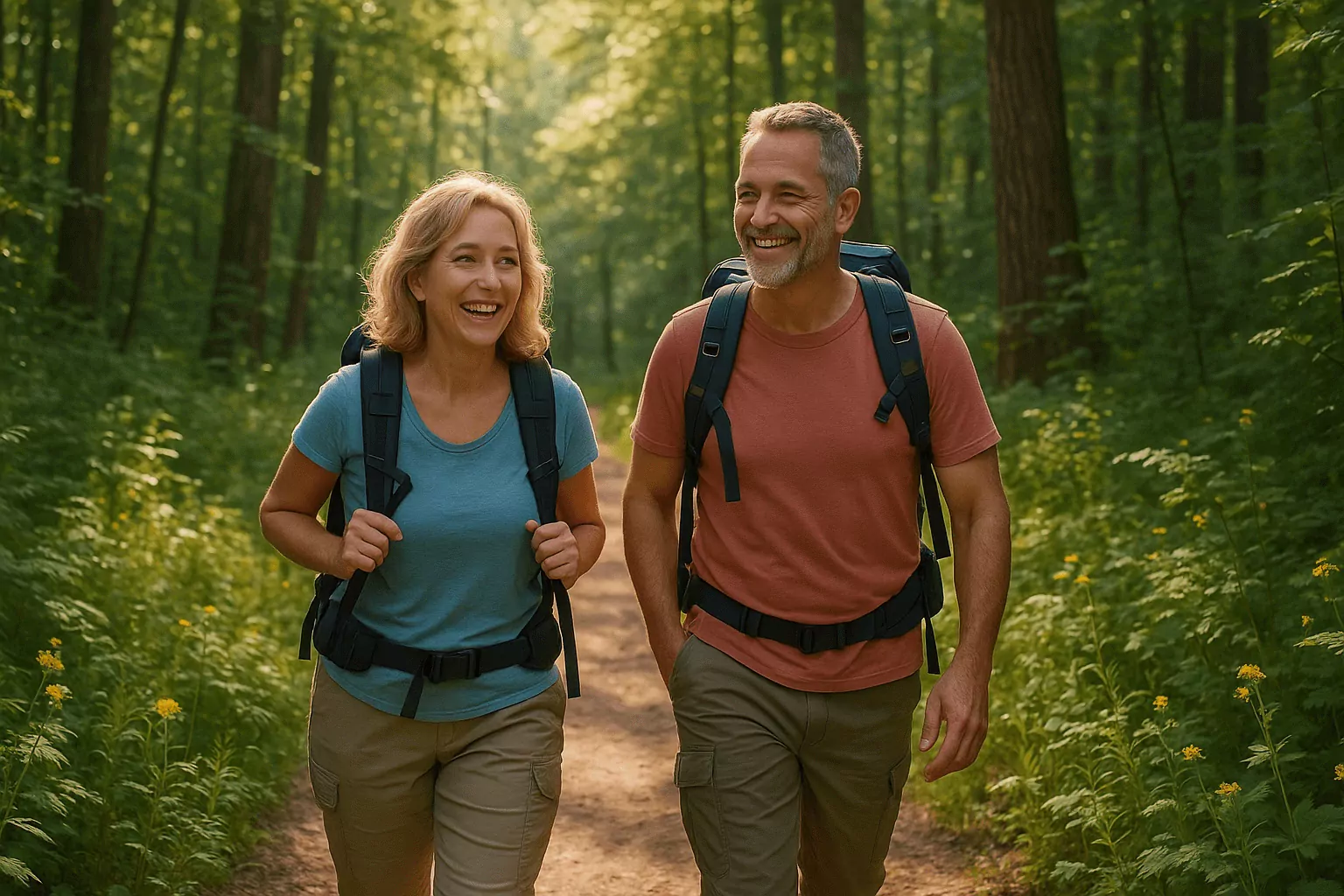
Why Hiking is Ideal for Midlife Fitness
Physical Benefits of Hiking
Hiking is a fantastic way to enhance physical fitness, especially for those in midlife. It combines cardiovascular exercise with strength training, as navigating varied terrains engages different muscle groups. Regular hiking can lead to improved endurance, flexibility, and balance, which are essential as we age.
Additionally, hiking promotes weight management and cardiovascular health. It helps to lower blood pressure and cholesterol levels while boosting overall heart health. These benefits make hiking an excellent choice for individuals seeking to maintain their fitness levels in midlife.
Mental Health Advantages
Engaging in outdoor activities like hiking contributes significantly to mental well-being. The natural environment offers stress relief and promotes relaxation, which can be particularly beneficial during midlife transitions. Studies show that spending time in nature can reduce symptoms of anxiety and depression, improving overall mood.
Moreover, hiking allows for social interaction, whether with friends or through organized groups. This social aspect can combat feelings of isolation and foster a sense of community among midlife hikers.
Features of Our Email Hiking Guides
Personalized Trail Recommendations
Our email hiking guides for midlife fitness include personalized trail recommendations based on your fitness level and preferences. Whether you prefer gentle walks or challenging hikes, there's a perfect trail for you.
Each guide provides detailed information on trail lengths, difficulty levels, and scenic highlights. This ensures that you choose the right path for your fitness journey, maximizing your enjoyment and safety.
Wellness Tips and Resources
In addition to trail recommendations, our guides offer wellness tips tailored for midlife hikers. These tips include hydration strategies, proper footwear recommendations, and techniques for stretching before and after hikes.
These resources are designed to enhance your hiking experience, ensuring you stay fit and healthy while exploring the great outdoors.
Getting Started with Hiking
Choosing the Right Gear
Starting your hiking journey requires the right gear. Comfortable, moisture-wicking clothing and supportive footwear are essential for a pleasant experience. Investing in quality hiking boots can prevent blisters and provide the necessary support on uneven terrain.
Additionally, consider using trekking poles, which can help with balance and reduce strain on your joints, particularly during downhill hikes. Our guides provide recommendations on the best gear for midlife hikers.
Joining a Hiking Community
Finding a local hiking community can enhance your experience and motivation. Many groups cater specifically to midlife and older adults, offering guided hikes and social events. Participating in these groups can provide a sense of camaraderie and encouragement.
Our email guides include links to local hiking clubs and online communities where you can connect with other midlife fitness enthusiasts. This support network can make a significant difference in your hiking journey.
Frequently Asked Questions
What should I consider when starting hiking in midlife?
When starting to hike in midlife, it's essential to assess your current fitness level and choose trails that match your abilities. Begin with easier, well-marked paths and gradually progress to more challenging hikes as your fitness improves. Always consult with a healthcare provider if you have health concerns prior to starting a new exercise regimen.
How often should I hike to maintain fitness?
For optimal fitness benefits, aim to hike at least once a week. This frequency allows your body to adapt to the physical demands of hiking while providing enough recovery time. Incorporating hiking into your routine, along with other forms of exercise, can significantly enhance your overall health and fitness.
Can hiking be a solo activity?
Yes, hiking can be a rewarding solo activity. Many individuals find peace and reflection in nature during solo hikes. However, it's important to inform someone about your hiking plans and choose well-traveled trails for safety. Our email guides include tips for solo hiking, ensuring you have a safe and enjoyable experience.