
Essential Tips for Older Hikers
Practical advice for hikers over 50 to boost confidence, enhance safety, and enjoy outdoor adventures.
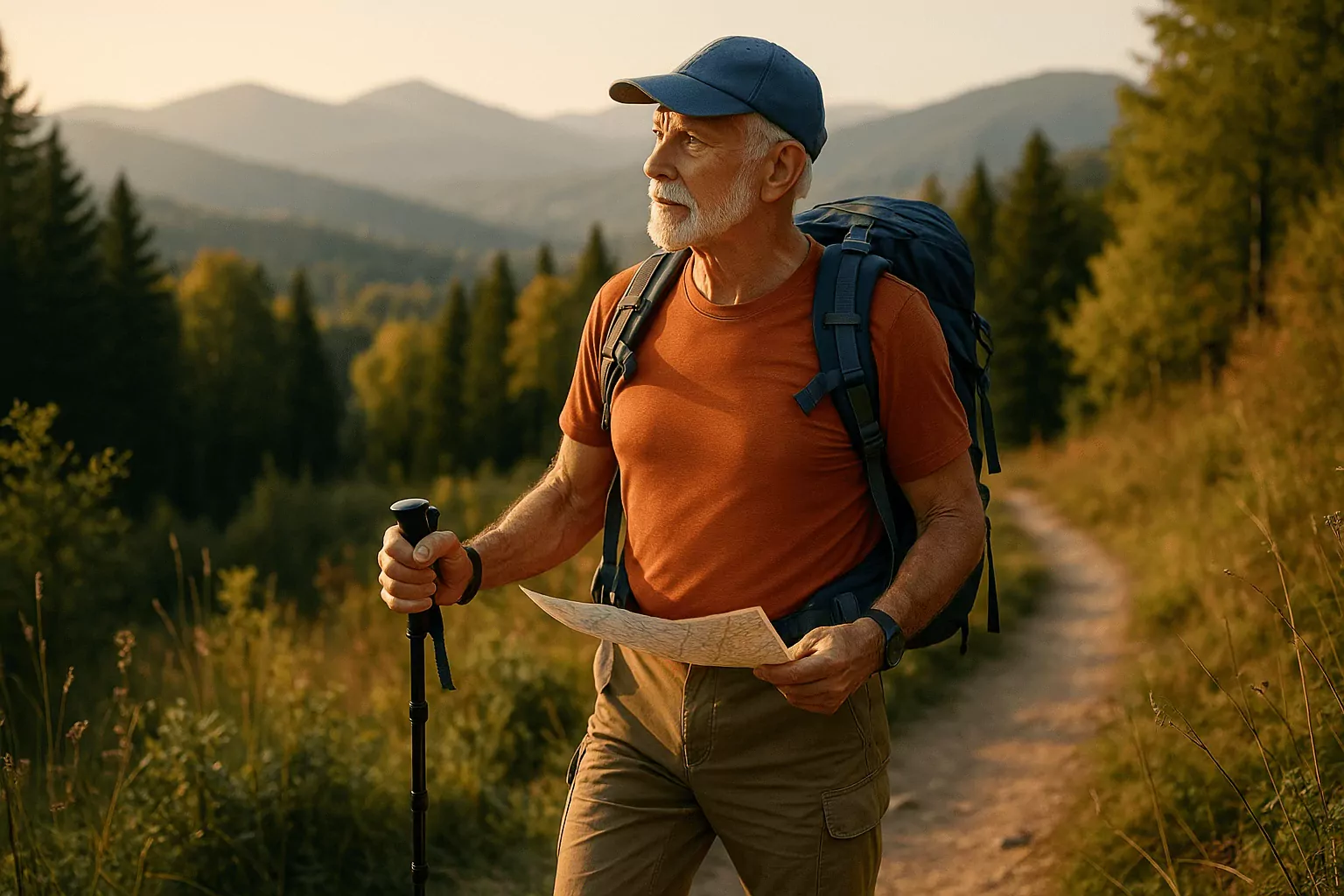
As we age, our bodies undergo various changes, making it essential to adapt our activities accordingly. Hiking is a fantastic way to stay active, connect with nature, and enjoy the great outdoors, even after turning 50. However, knowing how to prepare for hiking after 50 is crucial for a safe and enjoyable experience. Proper preparation can significantly enhance stamina, confidence, and overall enjoyment on the trails. In this blog, we will explore essential tips tailored specifically for older hikers, covering everything from physical fitness to gear selection. With the right approach, hiking can be an incredibly rewarding adventure regardless of age.
1. Building Stamina and Strength
One of the primary concerns for older hikers is maintaining physical fitness. Building stamina and strength can significantly improve your hiking experience. Consider incorporating low-impact cardiovascular exercises, such as walking, swimming, or cycling, into your routine. These activities not only boost endurance but also reduce the risk of injury.
Strength training is equally important. Focus on exercises that strengthen your legs, core, and upper body, such as squats, lunges, and push-ups. Aim for at least two days of strength training per week. Additionally, consider joining a local hiking group or fitness class designed for older adults, as this can provide motivation and a sense of community.
For a more personalized approach, consult a fitness trainer who specializes in midlife fitness. They can help create a tailored program that addresses your specific needs and goals. Remember, gradual progression is key to building stamina without overexertion.
2. Choosing the Right Gear
Having the right gear is essential for a comfortable hiking experience. Start with investing in a good pair of hiking boots that provide support and traction. Look for boots with cushioning and a fit that allows for wiggle room in your toes. It's advisable to break them in before hitting the trails to avoid blisters and discomfort.
Layering your clothing is another crucial aspect to consider. The weather can change quickly in nature, so opt for moisture-wicking base layers, insulating mid-layers, and a waterproof outer layer. Don't forget to bring a hat and sunglasses for sun protection. Additionally, a lightweight backpack with hydration features is essential for carrying water, snacks, and emergency supplies.
Lastly, consider trekking poles to provide stability and reduce strain on your knees, especially during descents. These can be particularly beneficial on uneven terrain, helping to maintain balance and reduce fatigue.
3. Understanding Your Limits
Knowing your physical limits is vital for safe hiking. Before embarking on a hike, assess your fitness level and choose trails that match your capabilities. Websites like AllTrails provide detailed information on trail difficulty, distance, and elevation gain, making it easier to select suitable hikes.
Start with shorter, less strenuous hikes to gauge your endurance. As your fitness improves, gradually increase the distance and elevation of your hikes. Always listen to your body; if you feel fatigued, take a break or consider turning back.
Stay informed about the trail's conditions and weather forecasts. If conditions are unfavorable, it may be wise to postpone your hike. Remember, hiking should be enjoyable, so prioritize safety and comfort over completing a certain distance.
4. Staying Safe on the Trails
Safety should always be a top priority while hiking. Familiarize yourself with basic hiking safety tips, such as carrying a first aid kit, notifying someone of your hiking plans, and sticking to marked trails. The National Park Service provides excellent resources on hiking safety that can help you prepare.
It's also wise to carry a fully charged mobile phone for emergencies, although signal may be weak in remote areas. If you're hiking alone, consider using a personal locator beacon for added safety. Additionally, staying hydrated is crucial; drink water regularly, even if you don't feel thirsty.
Lastly, be aware of your surroundings. Understand the potential hazards, such as wildlife encounters or sudden weather changes. Equip yourself with knowledge about the area and always trust your instincts. See the Ready.gov for additional guidance.
Preparing for hiking after 50 involves a combination of physical conditioning, proper gear, and an understanding of your limits. By building stamina, choosing the right equipment, and prioritizing safety, you can enjoy rewarding hiking experiences well into your golden years. Remember, how to prepare for hiking after 50 is all about making informed choices that suit your lifestyle. Embrace the adventure, connect with nature, and enjoy the health benefits that come with this fulfilling activity. For more tips and resources, feel free to visit our blog or contact us for personalized advice!
Frequently Asked Questions
What should I consider when choosing hiking trails after 50?
When selecting hiking trails, consider your current fitness level, experience, and any existing health conditions. Choose trails that align with your capabilities, starting with shorter and easier hikes. Research the terrain, elevation gain, and distance beforehand to avoid overexertion. Websites like AllTrails can provide valuable information on trail difficulty. Additionally, consider the weather and trail conditions, opting for well-marked paths to enhance your safety.
How can I prevent injuries while hiking?
Preventing injuries while hiking involves proper preparation and awareness. Start by wearing appropriate footwear and clothing to ensure comfort and minimize the risk of blisters. Warm up before your hike and stretch afterward to keep muscles flexible. Pay attention to your body, and if you feel pain or fatigue, take breaks and assess your condition. Using trekking poles can also help reduce strain on your joints, especially during descents. Lastly, consider hiking with a buddy, as having someone with you can provide support in case of emergencies.
What are some nutritious snacks to take on a hike?
Maintaining energy levels during a hike is essential, and nutritious snacks can help. Opt for lightweight, non-perishable snacks such as trail mix, protein bars, or dried fruit. Whole grain crackers with nut butter or cheese can provide both protein and carbohydrates. Fresh fruit, like apples or bananas, is also a great option for hydration and energy. Always pack snacks in easy-to-reach compartments of your backpack to fuel up during breaks.

© 2025 Trailgevity