Hiking for Health and Longevity: Science-Backed Benefits
Practical guidance for adults building trail walking fitness for stronger hearts, sharper minds, and longer, healthier lives.
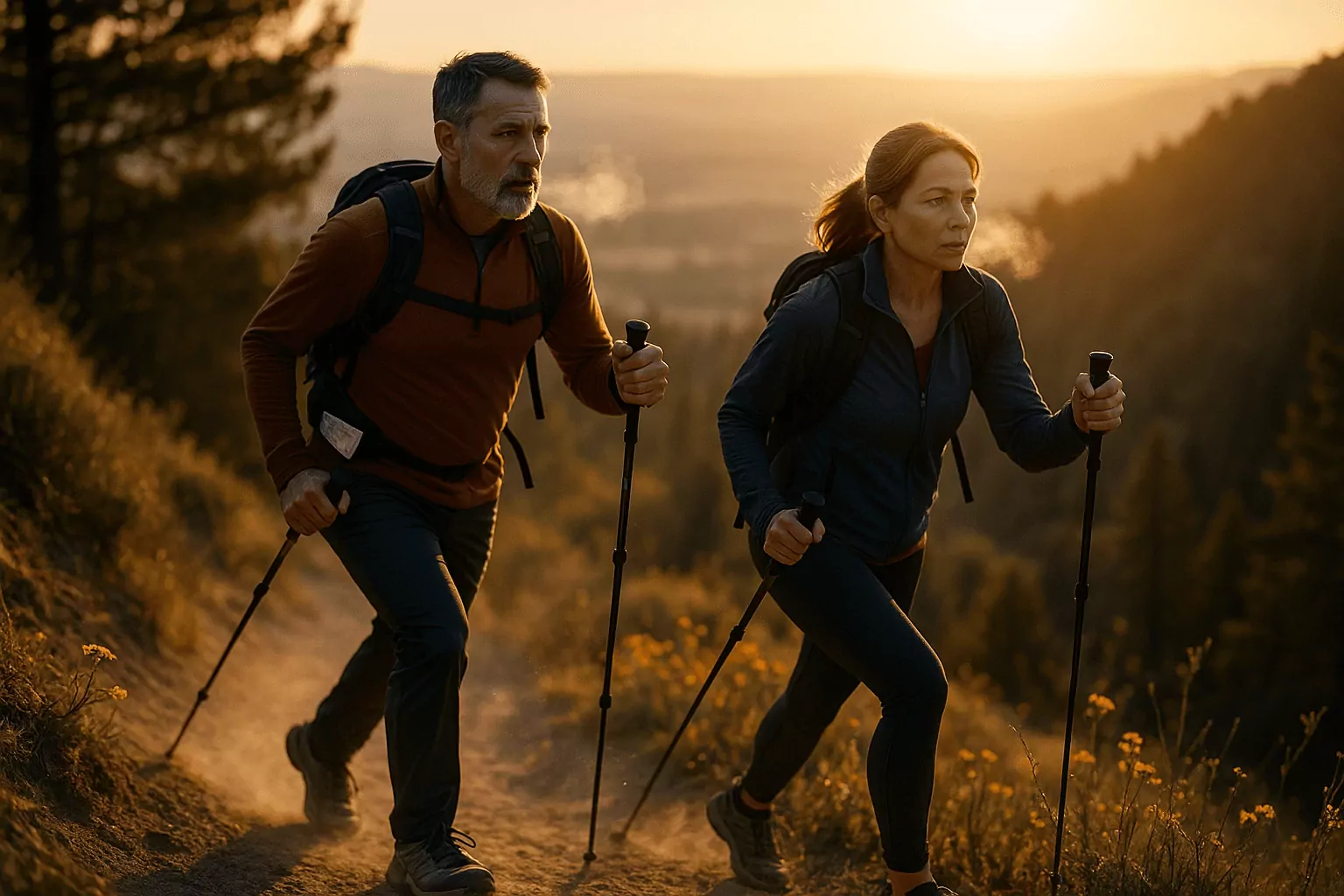
How Hiking Extends Healthy Years: What the Science Shows
How hiking for health and longevity strengthens your heart
Hiking for health and longevity blends steady aerobic effort with natural intervals, training the heart to pump more efficiently. Rolling terrain nudges your pulse into moderate zones, a sweet spot for cardiovascular adaptations without excessive strain. Over time, stroke volume improves, resting heart rate often drops, and blood pressure trends downward. These shifts translate into reduced risk for heart disease and improved stamina in day-to-day life. Put simply, regular trail time multiplies the practical benefits of hiking for your heart and circulation.
Uneven surfaces also recruit stabilizers that flat walking underuses, spreading workload and keeping effort joint-friendly. The result is low impact exercise outdoors that conditions the heart without the pounding some high-impact sports deliver. Pair trails with a consistent pace and periodic hill repeats to further elevate cardiovascular health hiking results. Short, brisk climbs act like mini-intervals that boost VO2 max and endurance. With a few smart habits, your weekly route becomes a reliable engine for longer, healthier years.
Metabolic benefits: weight, insulin, and inflammation
Trails help steady blood sugar by increasing muscle glucose uptake during and after activity. As you build trail walking fitness, your muscles become more insulin sensitive, easing metabolic load. Consistent hikes also increase daily energy expenditure, a practical aid for weight management without rigid gym routines. The varied terrain adds micro-bursts of effort that nudge calorie burn higher than flat walking. Over months, these small metabolic wins compound into meaningful risk reduction for diabetes and fatty liver disease.
Inflammation often underlies metabolic drift, and hiking can help dial it down. Gentle, regular aerobic movement reduces stress hormones that fan inflammatory pathways. Natural scenery further buffers stress responses, which supports better sleep and appetite regulation. Together, these changes amplify the benefits of hiking beyond calories alone. Your metabolism becomes more resilient, setting the stage for sustainable, long-term health gains.
Brain, mood, and stress resilience outdoors
Time on trail reliably boosts mood by increasing endorphins and balancing neurotransmitters tied to stress and focus. Natural settings reduce mental fatigue, helping you return sharper and more even-keeled. Regular hikers often report better sleep quality, which further strengthens cognitive performance. Over the long term, aerobic activity is linked to improved memory and slower cognitive decline. These brain benefits reinforce hiking for health and longevity as a whole-body strategy, not just a cardio plan.
Green and blue spaces add a restorative layer that indoor workouts rarely match. The sights and textures of the outdoors naturally cue steadier breathing and a calmer mind. This stress relief supports healthier blood pressure, glucose control, and weight regulation. It also makes low impact exercise outdoors more enjoyable, increasing the odds you'll keep showing up. When activity feels good, adherence follows-and adherence is what adds years to life and life to years.
Your Trail Plan: From First Walk to Lifetime Habit
A 6-week progression for hiking for health and longevity
Week 1-2: Hike 3 days weekly, 25-35 minutes, mostly flat, conversational pace. Focus on posture-tall spine, relaxed shoulders, steady arm swing. Choose soft surfaces when possible to keep impact low as your body adapts. End each outing with five minutes of easy walking to cool down. Log routes, time, and how you felt using a 1-10 effort scale.
Week 3-4: Move to 4 days weekly, 35-50 minutes, adding gentle hills. Include two 3-4 minute brisk segments on small climbs to stimulate cardiovascular health hiking gains. Keep form crisp: short, quick steps uphill, controlled foot placement downhill. Add simple mobility before hikes-ankle circles, hip hinges, and thoracic rotations. Maintain one shorter, very easy recovery hike.
Safety, gear, and low impact exercise outdoors
Start with a footwear check: choose trail shoes with grippy outsoles, a stable heel, and room to splay toes. Light, moisture-wicking socks limit blisters and keep feet dry across changing conditions. Dress in breathable layers so you can regulate temperature on climbs and descents. Carry water, a small snack, and a basic kit with bandages and tape, even on short routes. These basics keep low impact exercise outdoors both comfortable and dependable.
Safety scales with planning and awareness. Scan weather, tell someone your route, and download offline maps when service is spotty. On new trails, cap effort at a talkable pace and stop to assess sketchy footing. Poles add balance on slick or steep sections and reduce knee load on descents. Build the habit of quick trail briefings so every outing stays uneventful for the right reasons.
Effort, recovery, and signs to adjust your pace
Use a simple framework to guide effort: easy days at 3-4/10, moderate days at 5-6/10, and hill efforts at 7-8/10. If you can speak in full sentences, you're likely in the easy to moderate zone. Morning heart rate trending higher for several days suggests dialing volume back. Persistent soreness, poor sleep, or irritability also flags the need for recovery. Respecting these signals keeps progress steady and protects the benefits of hiking you've earned.
Recovery cements gains by letting tissues remodel and the nervous system reset. Sleep is the keystone, with hydration and protein-rich meals close behind. Gentle mobility and short, easy walks accelerate blood flow without adding strain. Plan one low-intensity "stroll and stretch" day each week. This rhythm supports trail walking fitness that lasts for decades, not just a season.
Build Capacity: Strength, Mobility, and Terrain Skills
Strength moves that amplify benefits of hiking
Two short strength sessions weekly transform how strong you feel on hills and descents. Prioritize compound moves that mirror trail demands and stabilize joints under load. A simple circuit-squats or split squats, hinge (deadlift pattern), step-ups, and carries-covers most needs. Add calf raises and side planks to armor ankles and hips against uneven ground. Consistency here deepens the practical benefits of hiking across every mile.
Use moderate loads you can control with crisp form for 6-10 reps. Progress by adding a set, a small weight bump, or a slightly higher step height. Keep rests short to maintain an aerobic feel that complements cardiovascular health hiking. Finish with ankle mobility and foot-strength drills for better proprioception. These touches reduce stumbles and build confidence on technical terrain.
Uphill and downhill technique for joint-friendly strides
On climbs, shorten your stride and increase cadence to keep momentum without spiking effort. Lean slightly from the ankles, not the waist, to keep airways open and traction steady. Drive arms lightly to sync breathing with steps, saving power for steeper kicks. On switchbacks, use the inside foot for small, quick steps to maintain rhythm. These cues protect joints while elevating trail walking fitness on every ascent.
Downhills reward patience and precision. Keep hips over feet, land softly, and avoid overstriding, which jars knees and quads. Engage glutes and core to stabilize, and let arms counterbalance for quick corrections. Poles can offload 10-20% of downhill forces when used well, extending comfort on long descents. Practice on mild grades first so steeper sections feel natural and controlled.
Fuel, hydration, and cardiovascular health hiking
Start hydrated and sip regularly-about 0.4-0.6 liters per hour, more in heat or at altitude. For outings over 75-90 minutes, add electrolytes to maintain fluid balance and nerve function. Bring simple carbs you tolerate well, like fruit, chews, or a small sandwich. A steady trickle of fuel prevents late-hike energy dips that can invite slips and poor decisions. These habits make cardiovascular health hiking productive, safe, and repeatable.
After hikes, prioritize a protein-carb mix to refill glycogen and support muscle repair. Within a few hours, round out meals with colorful produce and healthy fats to calm inflammation. If early breakfast is tricky, prep overnight oats or yogurt bowls to remove friction. Track what works in different conditions to refine your personal plan. This feedback loop turns fueling into another pillar of hiking for health and longevity.
Frequently Asked Questions
How often should I hike each week for longevity benefits?
Most people thrive on three to five hiking days weekly, totaling 150-300 minutes at an easy to moderate effort. This volume aligns with research on heart health and metabolic resilience. If you're new, start with three days and shorter routes while your joints and tendons adapt. Keep one day very easy and one day slightly longer to build capacity without burnout. Over time, your body will signal when it's ready for an extra day or a touch more elevation. The goal is consistent, enjoyable sessions that you can maintain for years.
Is hiking enough strength work, or do I need separate training?
Hiking builds endurance and balance, but it doesn't fully replace targeted strength training. Adding two short weekly sessions for legs, hips, and core fortifies joints and improves power on hills. Focus on split squats, step-ups, hinges, and carries for maximal transfer to the trail. Stronger tissues better tolerate volume, which supports active aging activities without flare-ups. This blend protects against overuse while unlocking new distances and terrain. Think of strength as the scaffolding that makes every mile feel easier and safer.
What if I have knee or ankle issues-can I still hike safely?
Many people with knee or ankle sensitivities hike comfortably by choosing gentler grades, softer surfaces, and stable footwear. Poles reduce downhill load and improve balance on uneven paths. Shorter strides and higher cadence cut joint stress while keeping heart rate in a productive zone. Start with low impact exercise outdoors on forgiving trails and expand as comfort grows. Add calf raises, step-downs, and balance drills to support ankles and knees between hikes. If pain persists or worsens, consult a clinician and progress with their guidance.