Hiking for Longevity: Science-Backed Tips to Add Active Years
Actionable training, recovery, and nutrition for adults 40+ using hiking for longevity to boost heart, mobility, and mood.
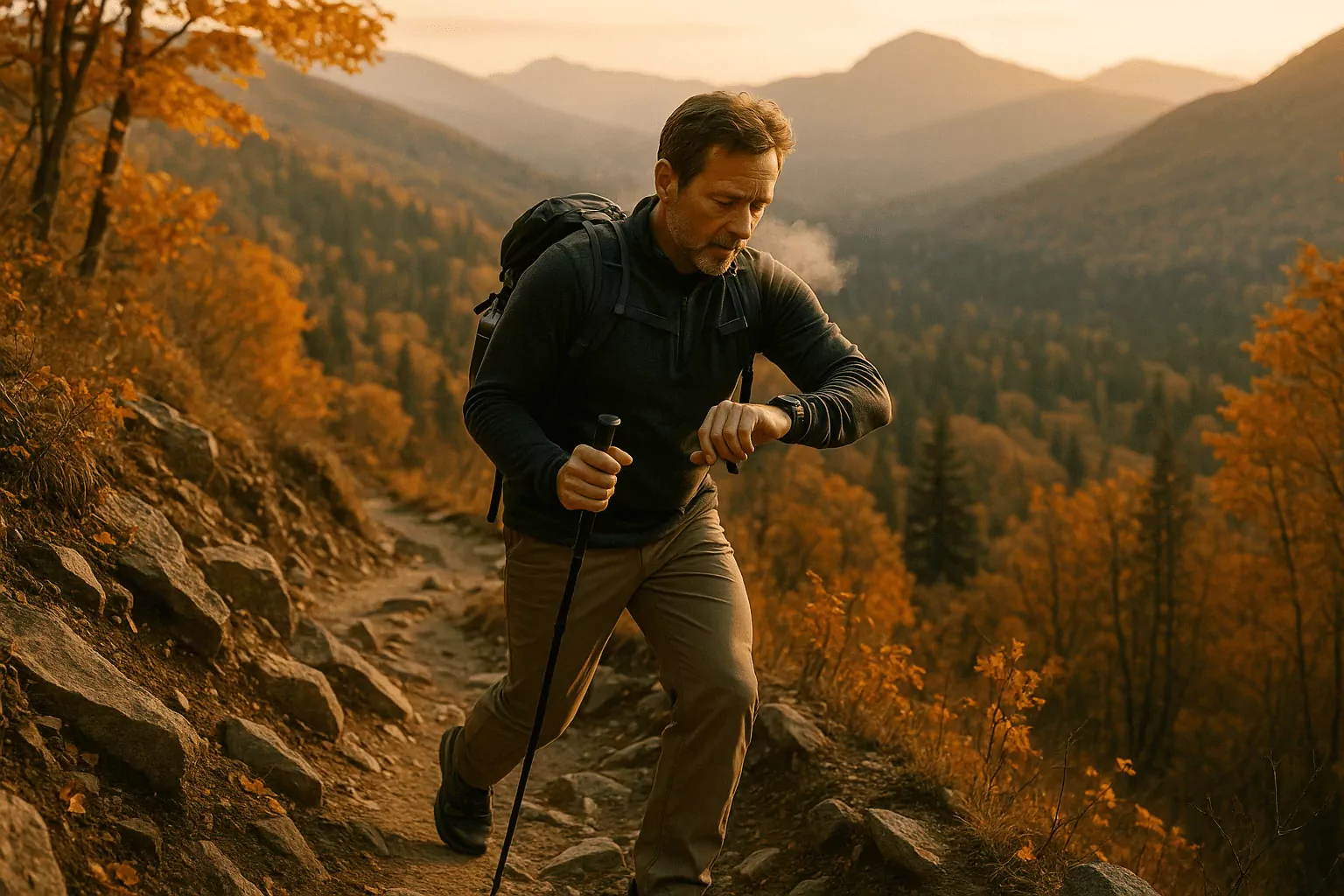
Why Hiking Extends Healthspan, Not Just Lifespan
Hiking for Longevity: Cardiovascular Upgrades
Hiking for Longevity aligns sustained, rhythmic movement with how the heart and vessels adapt over time. Moderate climbs train stroke volume and vascular flexibility, improving blood pressure control without the joint stress of high-impact workouts. This is classic low impact cardio that still delivers robust aerobic conditioning when done consistently. The benefits of hiking extend to healthier cholesterol profiles and better insulin sensitivity, two pillars of longer healthspan. Because hiking varies in grade and terrain, it naturally creates intervals that challenge the heart safely for most adults.
Over months, the body lays down more capillaries in working muscles, easing workload on the heart at any given pace. Regular trail time supports nitric oxide production, aiding vessel dilation during and after effort. Many people notice resting heart rate reductions within eight to twelve weeks when they keep easy days easy and hard days controlled. For those building endurance later in life, heart health walking on rolling trails may be the most sustainable pathway to fitness. Pair that with smart recovery and you have a program that adds years of capacity, not just years on a calendar.
Joint-Safe Strength: Muscles, Bones, and Balance
Trails demand controlled force through ankles, knees, and hips, building functional strength with every step. Uneven ground activates stabilizers that treadmills barely touch, which is why hiking improves ankle integrity and hip control. Downhill sections load quads eccentrically, a potent stimulus for resilience when progressed carefully. Over time, regular climbs contribute to bone density maintenance, especially when paired with strength work and adequate protein. This balanced approach keeps hiking a healthy aging exercise rather than a source of overuse pain.
Posture improves as poles, packs, and gradients cue core engagement and glute drive. Short strides and midfoot landings reduce braking forces, keeping joints quieter over long distances. If you manage volume and vary routes, the musculoskeletal system adapts without chronic irritation. With consistency, even modest weekly vertical gain translates into stronger legs and better daily function. The practical benefits of hiking show up when stairs, groceries, and yard work feel easier.
Brain, Mood, and Stress Resilience Outdoors
Green spaces change the nervous system's set point, lowering stress hormones and restoring attention. Natural light and varied scenery provide cognitive novelty that screens cannot, buffering age-related declines in focus. Regular trail time correlates with reduced anxiety and depression symptoms, partly via endorphins and social contact. The cadence of walking plus terrain decisions creates a moving meditation that sharpens executive function. As a healthy aging exercise, hiking nurtures both neurochemistry and daily mental clarity.
Memory benefits appear when moderate effort is sustained for 30-60 minutes, several days per week. Hills raise heart rate just enough to drive blood flow to the brain without tipping into exhaustive fatigue. Conversation-paced climbs encourage connection, which compounds the mood benefits of time outside. Over seasons, many hikers report steadier sleep, brighter mood, and more resilient stress responses. These outcomes support healthspan directly, making trail time as strategic as it is enjoyable.
Build a Week That Compounds Gains
Hiking for Longevity Weekly Template
A simple, repeatable structure keeps progress steady and injury risk low. Anchor your week with two easy-to-moderate hikes, one slightly longer adventure, and optional short strength sessions. Keep most trail time conversational to bank aerobic capacity while letting joints adapt. Layer in short hill surges only after several weeks of consistent low impact cardio. This repeatable cadence turns sporadic outings into a dependable healthy aging exercise routine.
Use terrain to set intensity: gentle paths for recovery days, rolling routes for steady work, and short climbs for controlled challenges. Track time-on-feet instead of miles early on, since footing and elevation change pace. Aim for 80 percent easy effort, 20 percent purposeful intensity to protect energy and joints. Adjust weekly volume by 5-10 percent at most when things feel smooth. Over quarters, this modest approach yields big endurance and durability dividends.
Low Impact Cardio Zones and Progression
Most longevity gains come from time in Zones 1-2, where breathing is steady and you can talk in full sentences. Use the nose-breathing test or a wrist heart-rate monitor to stay honest on climbs. As fitness grows, extend duration in these zones before adding more intensity. Occasional short hill repeats introduce Zone 3 without the pounding of road sprints, keeping workloads joint-friendly as low impact cardio. This patience pays off in stronger hikes, smoother recovery, and better heart rate variability.
Progress by adding minutes to one weekly hike or gentle vertical gain, not both at once. Keep the day after your longest hike very light to consolidate adaptations. When life gets busy, shorten duration rather than cranking intensity, which protects momentum. Over-ambitious jumps in workload are the fastest route to stalled progress. Sustainable progression is the engine of hiking for longevity across decades.
Strength, Mobility, and Balance Pairings
Two short sessions each week amplify trail gains with targeted strength and mobility. Prioritize ankles, calves, quads, glutes, and core to stabilize joints on changing terrain. Balance drills reduce trip risk and improve confidence on roots and rocks. Think of these pairings as healthy aging exercise essentials rather than extras. Ten focused minutes after a hike often beats a missed hour-long gym plan.
Use movements that complement trail demands and require minimal equipment. Slow calf raises, step-downs, split squats, hip hinges, side planks, and single-leg balance cover most needs. Finish with gentle hip flexor, hamstring, and calf mobility to keep stride mechanics clean. Sprinkle in light carries to simulate pack loads without fatigue. When combined with consistent walking, this makes heart health walking even more protective.
Smart Pacing, Gear, and Trail Safety at Any Age
Hiking for Seniors: Safe Starts and Progression
For hiking for seniors, conservative pacing and smart route choices build confidence fast. Start with flat or gently rolling trails and add short hills as breathing and balance improve. Keep strides short and steady, using poles to reduce load on knees and hips. Choose dirt paths over cambered sidewalks to spare ankles, and avoid big steps down early on. This measured approach preserves the joy and minimizes setbacks.
Schedule hikes when energy is highest, often mid-morning after a protein-rich breakfast. Carry water, a light shell, ID, and a charged phone, even for short loops. Hike with a partner or group until footing and pacing feel automatic. If medications affect heart rate or balance, discuss targets with a clinician before pushing intensity. With patient progression, the benefits of hiking accrue quickly and safely at any age.
Heart Health Walking: Monitoring Intensity and Warning Signs
Heart health walking on trails should feel comfortably challenging, never desperate. Aim for a pace where you can talk but prefer shorter sentences on moderate climbs. If you use a monitor, keep most hikes between 60-75 percent of estimated max heart rate. Back off immediately for chest pain, unusual breathlessness, dizziness, or radiating discomfort. When in doubt, stop, rest, and assess before deciding to continue.
Know your personal baselines so deviations stand out early. Warm up for five to ten minutes before any climb to smooth heart rate response. On hot, humid, or high-altitude days, reduce pace and increase hydration and sodium. If you're new to training or returning after illness, seek clearance and set conservative zones. These habits make hiking for longevity safer and more sustainable long term.
Footwear, Poles, and Pack Fit for Comfortable Miles
Right gear turns good intentions into repeatable routines. Choose trail shoes with secure heel cups, roomy toe boxes, and grippy outsoles matched to your terrain. Lightweight boots can help on rocky routes, but flexible low-cuts often suffice on dirt. Poles sized to elbow height reduce knee load on descents and improve posture on climbs. A small pack with a sternum strap and hip belt spreads weight comfortably.
Test socks that wick and pad without bunching, then buy duplicates to avoid hot spots. Keep toenails short and laces snug across the midfoot to prevent toe bang on downhills. Pack water, a compact rain layer, sun protection, and a simple first-aid kit. Adjust pole length slightly shorter for steep uphills and longer for descents. Good fit and small comforts make low impact cardio more inviting, more often.
Motivation, Variety, and Community that Keep You Moving
Goal Setting, Tracking, and Habit Anchors
Clear, modest goals reinforce consistency and prevent all-or-nothing swings. Track time, vertical, and how you felt, not just miles, to see the full picture. Link hikes to existing routines-after breakfast on Tuesdays, with a friend on Fridays-to lock the habit. Celebrate streaks and personal bests in duration or elevation rather than speed. Over time, the visible benefits of hiking become their own motivation.
Use simple tools you'll actually open: a wall calendar, notes app, or hiking log. Color-code easy, moderate, and long hikes to balance your week at a glance. Reassess every four to six weeks and adjust goals to match life demands. When life is hectic, keep the slot and shorten the hike to preserve momentum. These small systems keep hiking for longevity practical through seasons and schedules.
Routes, Terrain, and Micro-Adventures for Engagement
Novelty fuels adherence, so rotate parks, trail types, and directions. Mix forest paths, ridge walks, river trails, and urban greenways to keep senses fresh. Add micro-adventures like sunrise loops, full-moon strolls, or wildflower hunts to spark excitement. Short photo or birding stops add purpose without spiking intensity. These ideas turn heart health walking into something you look forward to.
Keep a seasonal route list so weather never stalls the plan. In heat, choose shaded creeks; in wind, sheltered woods; after rain, grippy surfaces. Build a "Plan B" loop for busy days and a "Plan C" for bad weather. Track favorites and rotate them to balance challenge and recovery. Variety sustains a healthy aging exercise routine across years, not weeks.
Social Support, Groups, and Accountability
People stick with movement when community shows up, too. Join a local hiking club, parks program, or faith-group walking circle to add structure. Invite neighbors for a weekly loop and rotate leadership to share ownership. For hiking for seniors, intergenerational pairs can boost confidence and enjoyment for everyone. Light commitments-a text check-in or shared calendar-go a long way.
Online groups help with route ideas, carpooling, and safety check-ins. Share progress and trail photos to reinforce identity as an active person. Keep group paces inclusive and split into subgroups when needed to maintain conversation pace. Celebrate small wins like first hill repeats or a month-long streak. Social layers make the benefits of hiking compound beyond fitness.
Frequently Asked Questions
How many days per week of hiking are best for longevity?
Three to five days per week works well for most adults aiming at long-term gains. Start with two easy hikes and one longer session, then add a short fourth as recovery allows. Keep most work conversational to prioritize low impact cardio and minimize wear and tear. As capacity grows, extend one outing rather than crowding the week with hard days. Blend in two short strength sessions to round out a healthy aging exercise plan. If life gets busy, protect frequency first and trim duration to preserve habit strength.
What pace or heart rate is safe for beginners and older adults?
Use talk pace-full sentences with steady breathing-as your baseline for most outings. If you track heart rate, 60-70 percent of estimated max suits many beginners and hiking for seniors. On hills, let pace slow to keep effort consistent rather than chasing numbers. Favor perceived effort on hot days or at altitude, where heart rates drift higher. Heart health walking should never feel desperate; back off for chest pain, dizziness, or unusual shortness of breath. As confidence grows, add brief hill surges while ensuring recovery feels complete the next day.
Can hiking replace gym workouts for strength and bone health?
Hiking builds strong legs, posture, and balance, but it doesn't fully replace targeted strength work. Downhill sections add valuable eccentric loading, yet bone responds best to progressive resistance, too. Pair trails with short, focused lifts or bodyweight moves to fill gaps and prevent plateaus. Ten to twenty minutes of step-downs, hinges, carries, and balance drills twice weekly goes far. This blend preserves joints, amplifies the benefits of hiking, and supports long-term resilience. If time is tight, add mini-strength sets right after hikes for consistency.