
Hiking for Mental Health Over 50: Revitalize Your Mind and Body
Explore the mental health benefits of hiking for individuals over 50 years old.
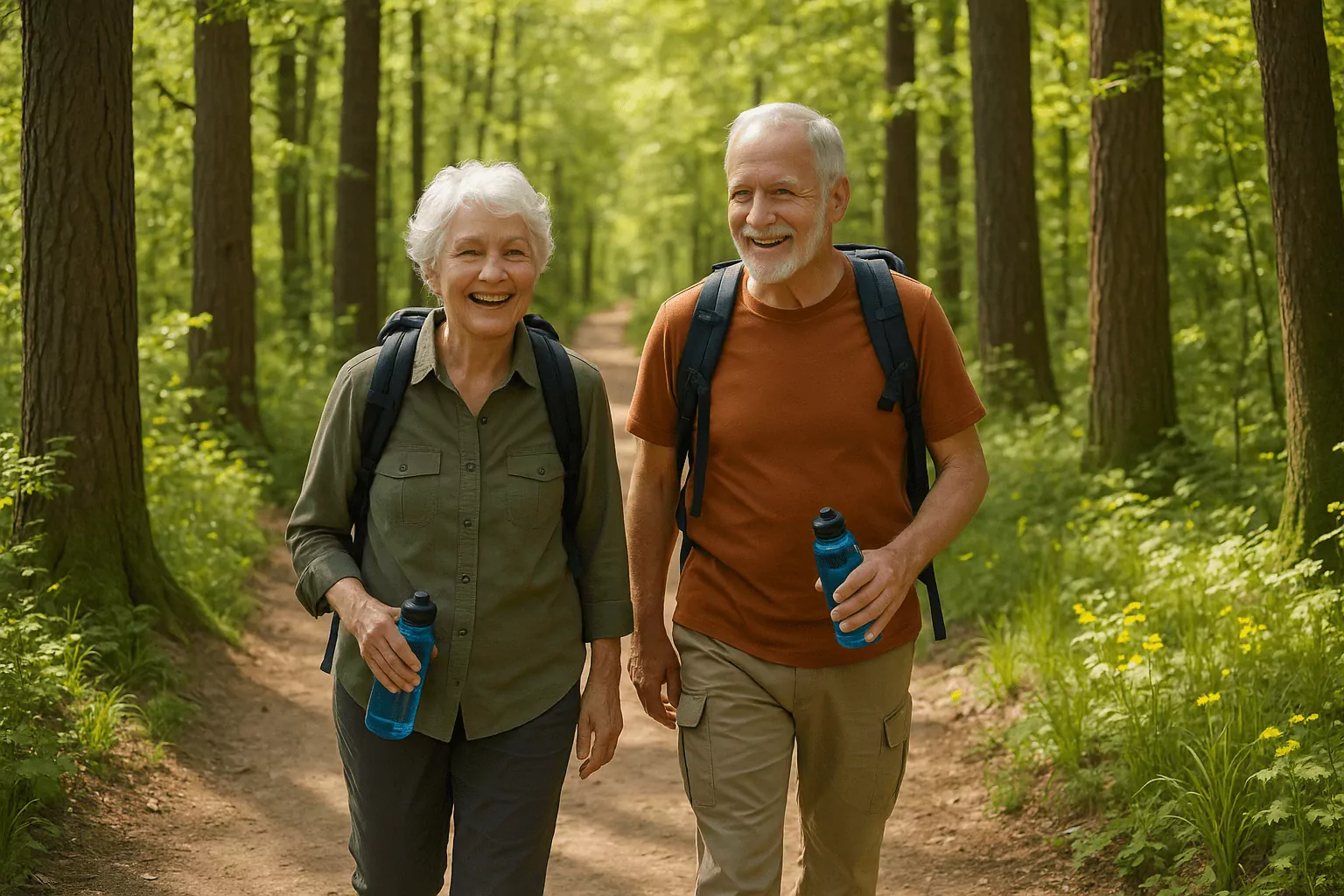
The Mental Health Benefits of Hiking
Connecting with Nature
Hiking allows individuals over 50 to connect with nature, which is vital for mental health. Exposure to natural environments can reduce stress and anxiety levels. Research indicates that spending time outdoors can enhance mood and promote a sense of well-being. The sights, sounds, and smells of nature provide a calming backdrop that can help clear the mind.
Being in nature encourages mindfulness, helping hikers focus on the present moment. This reduced distraction can lead to a more peaceful mental state. Additionally, being surrounded by greenery has a rejuvenating effect on the mind, making hiking a compelling choice for mental health.
Physical Exercise and Mental Clarity
Physical activity, such as hiking, has been linked to improved mental clarity. Engaging in regular exercise releases endorphins, hormones that promote feelings of happiness and euphoria. For individuals over 50, this is particularly important as it can combat feelings of depression and anxiety.
Moreover, hiking is a low-impact exercise that can be tailored to various fitness levels. As a result, it's accessible for seniors, allowing them to gradually increase their activity level while reaping mental health benefits. Regular hiking can lead to improved cognitive function and memory retention.
Social Interaction and Community
Hiking can also provide opportunities for social interaction, which is crucial for mental health, especially for those over 50 who may experience loneliness. Joining hiking groups or clubs allows individuals to meet like-minded people and build supportive friendships. These social connections can enhance emotional resilience and provide a sense of belonging.
Participating in group hikes can also motivate individuals to stay active and committed to their fitness goals. Sharing experiences with others fosters a sense of community, which is beneficial for mental well-being.
How to Start Hiking Safely
Choosing the Right Trails
When beginning a hiking journey, it's essential to select trails that match your fitness level. Beginners should look for easy, well-marked paths that are not too strenuous. As confidence and stamina grow, you can explore more challenging trails.
Research local hiking areas, and consider the distance, elevation, and terrain before heading out. National and state parks often provide detailed maps and difficulty ratings, aiding in your decision-making process.
Essential Gear for Safe Hiking
Having the right gear is crucial for a safe and enjoyable hiking experience. Basic essentials include proper footwear, weather-appropriate clothing, and hydration supplies. Here's a quick checklist:
Investing in quality gear can significantly enhance your hiking experience, ensuring you remain comfortable and safe on the trails.
Listening to Your Body
It's important to listen to your body while hiking. If you experience pain or discomfort, take a break or turn back. Start with shorter hikes and gradually increase your distance as your body adapts. Staying attuned to your physical limits will help prevent injuries and keep hiking enjoyable.
Frequently Asked Questions
What are the best hiking trails for beginners over 50?
For beginners over 50, look for local parks with easy, flat trails. Nature reserves often offer beginner-friendly paths with beautiful scenery. Check online resources or local hiking groups for recommendations specific to your area. This will ensure you choose trails that match your fitness level and provide a positive hiking experience.
How often should I hike to see mental health benefits?
To experience mental health benefits from hiking, aim for at least once a week. However, incorporating more frequent short walks can also be beneficial. Consistency is key; regular hiking can improve mood and reduce stress levels over time. Pair hiking with other forms of exercise for a well-rounded fitness routine.
Can hiking help with anxiety and depression?
Yes, hiking can significantly alleviate symptoms of anxiety and depression. The combination of physical activity, exposure to nature, and social interaction contributes to improved mental health. Studies have shown that outdoor activities can decrease cortisol levels, which helps manage stress. Hiking serves as an effective natural remedy for enhancing overall well-being.

© 2025 Trailgevity