
How Senior Hiking Clubs Foster Community and Friendship Among Older Adults
Senior hiking clubs bring older adults together to build lasting friendships and improve their physical and mental well-being.
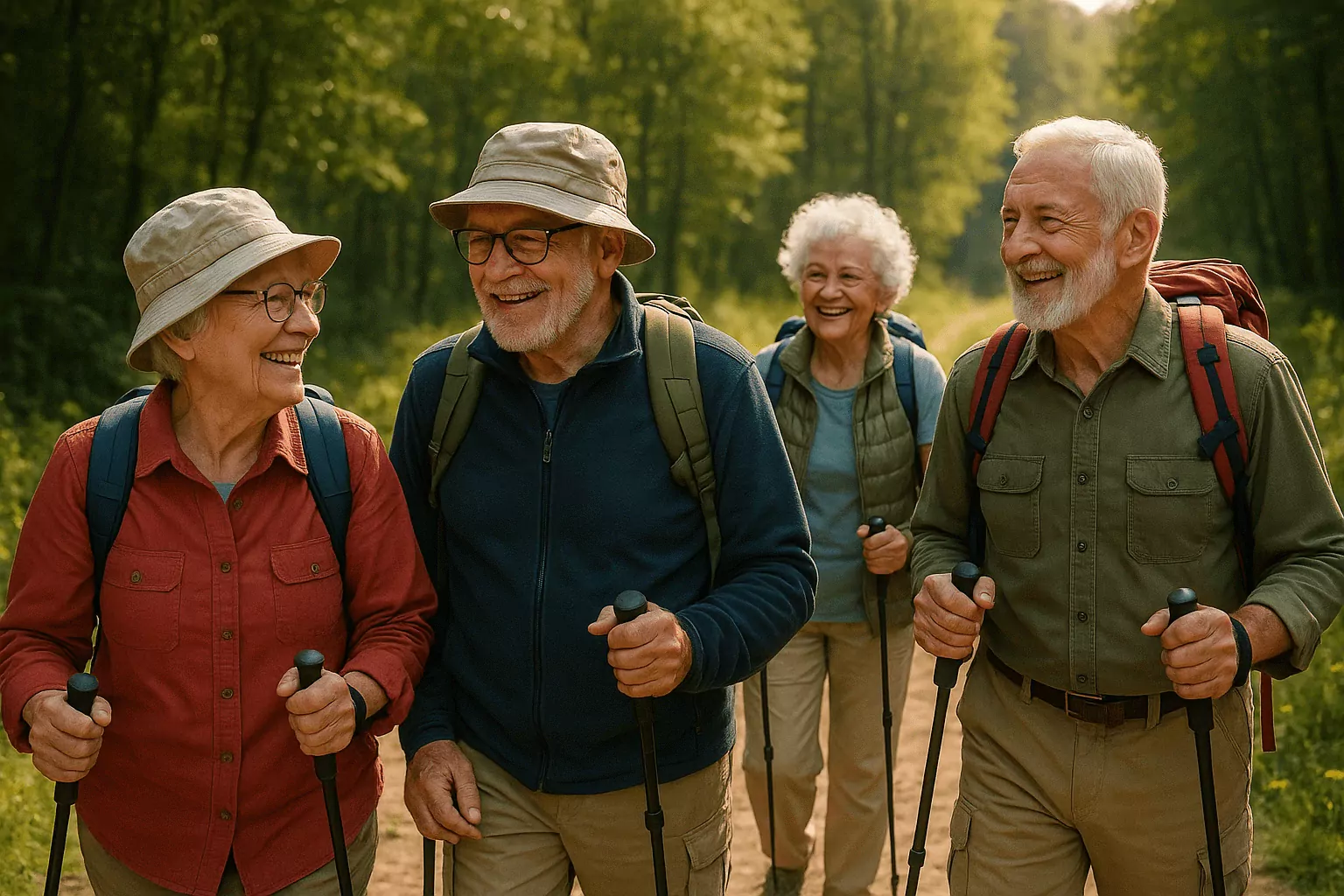
As we age, the importance of maintaining a vibrant social life becomes increasingly evident. Senior hiking clubs offer a unique avenue for older adults to connect with like-minded individuals while enjoying the great outdoors. These clubs not only provide physical benefits through regular exercise but also facilitate the formation of meaningful friendships. Engaging in nature walks and hikes can significantly enhance mental health, combating feelings of loneliness and isolation that many seniors face. In this blog, we will explore how senior hiking clubs foster community and friendship among older adults, detailing the numerous benefits of joining these groups. Whether you're an experienced hiker or a beginner, there's a place for everyone in these welcoming communities.
1. Building Strong Social Connections
One of the most significant advantages of senior hiking clubs is the opportunity to cultivate friendships. These clubs serve as social hubs where seniors can meet others who share their interests in hiking and nature. As members embark on various trails together, they bond over shared experiences and challenges, creating a sense of camaraderie. For instance, a study conducted by the National Park Service found that group hiking fosters conversations and interactions that can lead to long-lasting friendships.
Moreover, the supportive atmosphere of hiking clubs encourages participants to open up about their lives and experiences. Many members share personal stories, creating an environment of trust and understanding. This level of connection not only enriches individual lives but also strengthens the community as a whole. Over time, these friendships can lead to additional social activities outside of hiking, further enhancing the sense of belonging.
Additionally, many senior hiking clubs organize group outings and events that go beyond hiking, such as potluck dinners or picnics. These social gatherings allow members to interact in a relaxed setting, fostering deeper relationships. As friendships grow, members often look out for one another, providing support and companionship in their daily lives.
2. Promoting Physical and Mental Well-Being
Participating in senior hiking clubs offers numerous health benefits for older adults. Regular hiking is an excellent form of cardiovascular exercise, which helps improve heart health, increase stamina, and maintain a healthy weight. Furthermore, being in nature has been shown to reduce stress levels and enhance mood, making hiking an ideal activity for promoting mental well-being.
Research indicates that spending time outdoors can lead to improved cognitive function and reduced symptoms of anxiety and depression. A study published in the Journal of Environmental Psychology found that individuals who engage in outdoor activities, such as hiking, report higher levels of happiness and life satisfaction. By joining a senior hiking club, older adults can reap these benefits while enjoying the company of others.
Moreover, hiking can be adapted to various fitness levels, making it accessible for everyone. Whether it's a leisurely stroll on a flat trail or a more challenging hike, clubs often cater to different abilities, ensuring that all members can participate and enjoy the physical activity. This inclusivity further encourages seniors to stay active and engaged in their health journeys.
3. Engaging with Nature and the Environment
Another key aspect of senior hiking clubs is the opportunity to engage with nature and learn about the environment. Many clubs incorporate educational components into their hikes, teaching members about local flora, fauna, and conservation efforts. This connection to nature not only enriches the hiking experience but also fosters a sense of responsibility toward preserving the environment.
Additionally, hiking in natural settings can inspire members to advocate for environmental causes. Many clubs organize volunteer events for trail maintenance or clean-up efforts, allowing seniors to give back to the community while enjoying the outdoors. This active involvement can strengthen their commitment to environmental stewardship and create a sense of purpose.
Furthermore, by exploring various trails and landscapes, members gain a deeper appreciation for the beauty of nature. Many seniors find joy in discovering new locations and sharing these experiences with friends, enhancing their overall quality of life. This appreciation for the environment can lead to a greater awareness of the importance of preserving natural spaces for future generations.
4. Overcoming Loneliness and Isolation
Loneliness is a significant challenge faced by many older adults, particularly those who may have lost loved ones or live alone. Joining a senior hiking club can provide a vital lifeline for combating these feelings of isolation. The structured nature of group hikes encourages regular social interaction, which can help to mitigate feelings of loneliness.
Many seniors find that being part of a hiking club offers them a sense of belonging and purpose. The routine of scheduled hikes not only promotes physical activity but also provides something to look forward to each week. This anticipation can significantly uplift spirits and improve overall mental health.
Moreover, hiking clubs often create a supportive network where members can share their experiences and challenges. This sense of community can be particularly impactful for seniors who may be hesitant to reach out for help or companionship. By fostering an environment of inclusivity and support, hiking clubs can play a crucial role in enhancing the lives of older adults.
In summary, senior hiking clubs are more than just a means to enjoy the outdoors; they are a pathway to building lasting friendships, improving physical and mental health, and engaging with nature. The community formed within these clubs fosters support and companionship, allowing older adults to thrive socially and emotionally. If you or a senior you know is looking to enhance their quality of life, consider joining a hiking club today. Reach out to your local community center or visit our blog for more information on how to get started!
For more tips on hiking and maintaining fitness in midlife, be sure to check out our resources or contact us at your local hiking club today!
Frequently Asked Questions
What should I expect when joining a senior hiking club?
When you join a senior hiking club, you can expect a welcoming environment where members of all fitness levels come together to enjoy nature. Most clubs organize regular hikes that vary in difficulty, so there's something for everyone. You will also have the chance to meet new friends who share your love for the outdoors. Additionally, many clubs offer social events and educational opportunities, enhancing your overall experience. Be prepared for fun, laughter, and a sense of community as you embark on your hiking adventures!
Are there any health benefits to hiking for seniors?
Absolutely! Hiking provides numerous health benefits for seniors, including improved cardiovascular health, increased strength, and enhanced flexibility. It also promotes mental well-being by reducing stress and anxiety. Engaging in regular physical activity, like hiking, can help seniors maintain a healthy weight and improve overall fitness levels. Furthermore, being in nature has been shown to boost mood and cognitive function, making hiking an excellent choice for older adults looking to enhance their health.
How do I find a senior hiking club near me?
Finding a senior hiking club in your area is easier than you might think! Start by searching online for local hiking organizations or community centers that offer hiking programs for seniors. Social media platforms and community bulletin boards can also provide information about clubs and upcoming events. Additionally, consider reaching out to local parks or recreation departments, as they often have resources available for senior activities. Many clubs also have websites where you can learn more about their offerings and how to join.

© 2025 Trailgevity