
The Ultimate Guide to Hiking Boots vs Trail Runners for Hikers Over 50
Compare hiking boots and trail runners to find the best footwear for comfort and support on your hikes after 50.
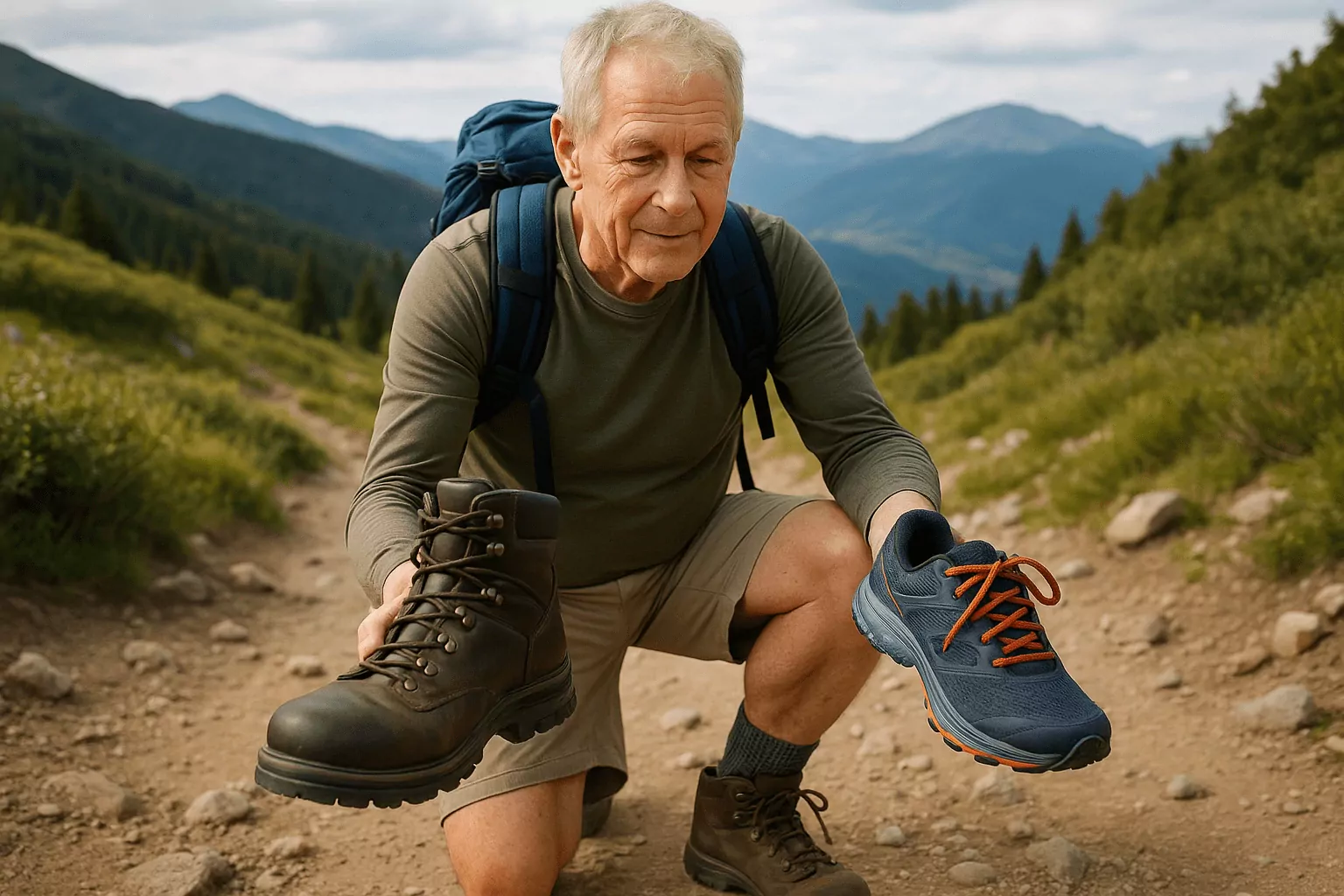
Choosing between hiking boots and trail runners gets more nuanced as we age, because our feet, joints, and balance change over time. This guide compares Hiking Boots vs Trail Runners for Hikers Over 50 with a clear eye on comfort, safety, and long-term health. You will see how terrain, pack weight, weather, and past injuries shape the right pick for your goals. We include real-world examples and evidence-based tips so you can decide with confidence. For a quick overview, visit Hiking Boots vs Trail Runners for Hikers Over 50 to anchor your decision-making. By the end, you will know what to try on first, how to test fit, and when to switch footwear for different trips.
Support, stability, and joint comfort for Hikers Over 50
Ankles, knees, and hips often need more support after 50, especially if you have arthritis, plantar fasciitis, bunions, or a history of sprains. Traditional hiking boots wrap the ankle and typically offer torsional rigidity, which can feel steadier on uneven terrain. Trail runners provide more cushioning and a softer landing that many hikers find kinder on knees during long descents. A rock plate and firm heel counter in some trail runners add protection without the full weight of boots. If balance is a concern, pair either option with trekking poles to reduce slip risk and joint load on downhills.
Consider your personal injury history and the surfaces you hike most. If you often traverse roots, talus, and rutted paths, a mid-cut boot can cut down on accidental rolls and confidence dips. If you hike smoother, well-drained trails, a cushioned trail runner might deliver pain-free miles with less fatigue. Evidence shows fall prevention involves multiple factors, so footwear should be part of a broader plan that includes poles and careful route choice. Review fall reduction basics from credible sources like the CDC to round out your safety strategy. Your comfort test should include short hikes where you compare post-hike soreness in knees, calves, and arches.
Weight, pace, and terrain performance: Hiking Boots vs Trail Runners for Hikers Over 50
Footwear weight affects energy use, and lighter shoes can help you hike farther with less fatigue. Trail runners usually weigh less than boots, which feels noticeable for hikers managing stamina or mild cardiovascular limits. However, on slick mud, wet roots, or boulder fields, the grip, edging, and structure of a sturdy boot can boost confidence. The right outsole and lug depth often matter more than the label on the box. For a deeper primer on outsole design and traction trade-offs, see REI Co-op Expert Advice on choosing hiking footwear.
Match your shoe to the terrain you see most and the pace you prefer. Fast-paced day hikes or fitness hikes on groomed trails favor lighter trail runners with grippy rubber. Mixed terrain and light scrambles lean toward boots with firm midsoles and pronounced lugs. If your trips span both, many hikers rotate footwear based on season and route. Keep notes on trail conditions, post-hike soreness, and any hotspots to refine your personal best pick.
Weather protection, durability, and cost of ownership
Waterproof boots with membranes like Gore-Tex block moisture and keep feet warmer in cold rain, slush, and shallow snow. They can run warmer and dry slowly if soaked, which matters in humid regions. Non-waterproof trail runners breathe better and often dry faster, which reduces blister risk on hot days. Durability also shifts with use: leather boots can be reconditioned, while many runners last 300-500 trail miles before midsoles compress. Your total cost factors in replacement frequency, not just sticker price.
Many hikers over 50 prefer a two-shoe strategy for seasons and regions. Use waterproof boots for shoulder-season storms and mountain snow patches, and breathable trail runners for summer heat. Keep leather conditioned and replace laces and insoles to extend life. Retire worn-out midsoles to protect knees and hips from extra shock. For maintenance and selection tips, see REI Co-op footwear care guides and manufacturer recommendations.
Fit, customization, and transitioning safely between shoe types
Fit is paramount for Hikers Over 50 because small pressure points turn into big problems over long days. Make sure you have a thumb's width at the toe for downhill comfort and a locked-in heel to prevent rub. Choose a wide toe box if you have bunions or prefer toe splay, and check heel-to-toe drop to match your calf and Achilles comfort. Pair your footwear with the socks you actually hike in, and test fit late in the day when feet are slightly swollen. Insoles, heel cups, and low-volume footbeds can fine-tune comfort and support.
If you switch from boots to trail runners, transition gradually to let ankles and calves adapt. Start with short hikes on familiar trails, then extend distance and add elevation. Use poles while adjusting to lower-cut shoes to keep balance rock solid. If you develop hotspots or aches, swap back temporarily and reassess fit or insole support. For expert help, explore our boot fitting services, contact our team for a personalized plan, and read our blister prevention tips before your next trip.
For most Hikers Over 50, the best choice comes from your terrain, weather, pack weight, and injury history. Hiking boots deliver structure, traction, and weatherproofing for rough or wet routes, while trail runners offer light weight, breathability, and soft landings on maintained trails. Many hikers do best with both, rotating by season and trip goals. Take a test-and-learn approach and track post-hike comfort, hot spots, and joint feedback.
Frequently Asked Questions
Are hiking boots better for ankle support if I am over 50?
Boots do provide ankle coverage and can resist twisting on uneven ground, which helps many hikers feel secure. However, support also comes from foot strength, proper fit, and technique. A rigid boot that fits poorly may still cause instability or pressure points. Trail runners with secure heel counters and rock plates can feel stable on moderate terrain. Combine either choice with trekking poles and smart pacing for better protection, and review fall prevention basics from sources like the CDC.
How do I choose between waterproof and non-waterproof footwear?
Consider climate, trip length, and how easily you can dry shoes. Waterproof boots shine in cold, wet conditions but can run warm and dry slowly if soaked. Non-waterproof trail runners breathe better and often dry overnight, reducing blister risk in summer. If you hike in variable weather, a light waterproof boot plus breathable runners covers most seasons. Test both on short hikes to see which keeps your skin dry and comfortable in your local conditions.
Can trail runners handle multi-day backpacking for older hikers?
Yes, many experienced hikers over 50 backpack in trail runners, especially with lighter packs and on maintained trails. Make sure the shoe has a protective rock plate, robust outsole, and a fit that prevents toe bang on descents. If you carry 25-35 pounds or travel on rocky routes, consider stiffer boots for better edging and load support. You can also mix strategies by wearing runners during dry approaches and boots for steeper, rougher sections. Track foot and joint comfort after each day to decide which option preserves energy and reduces soreness.
What sizing and fit tips reduce blisters and foot pain?
Shop late in the day, use your hiking socks, and aim for a snug heel with roomy toes. Lace for your foot shape, using lock lacing to secure heels or skipping eyelets to reduce pressure on high insteps. Test on an incline ramp to check for toe bang and heel lift before you buy. Add moisture-wicking socks and consider toe socks if you are blister-prone between toes. If pain persists, try insoles or see a fitter for adjustments tailored to pronation, arch height, and toe shape.

© 2025 Trailgevity