
Top 10 Best Hiking Foods for Longevity and Endurance
Boost your energy and stamina on the trails with these nutritious hiking foods designed for lasting endurance.
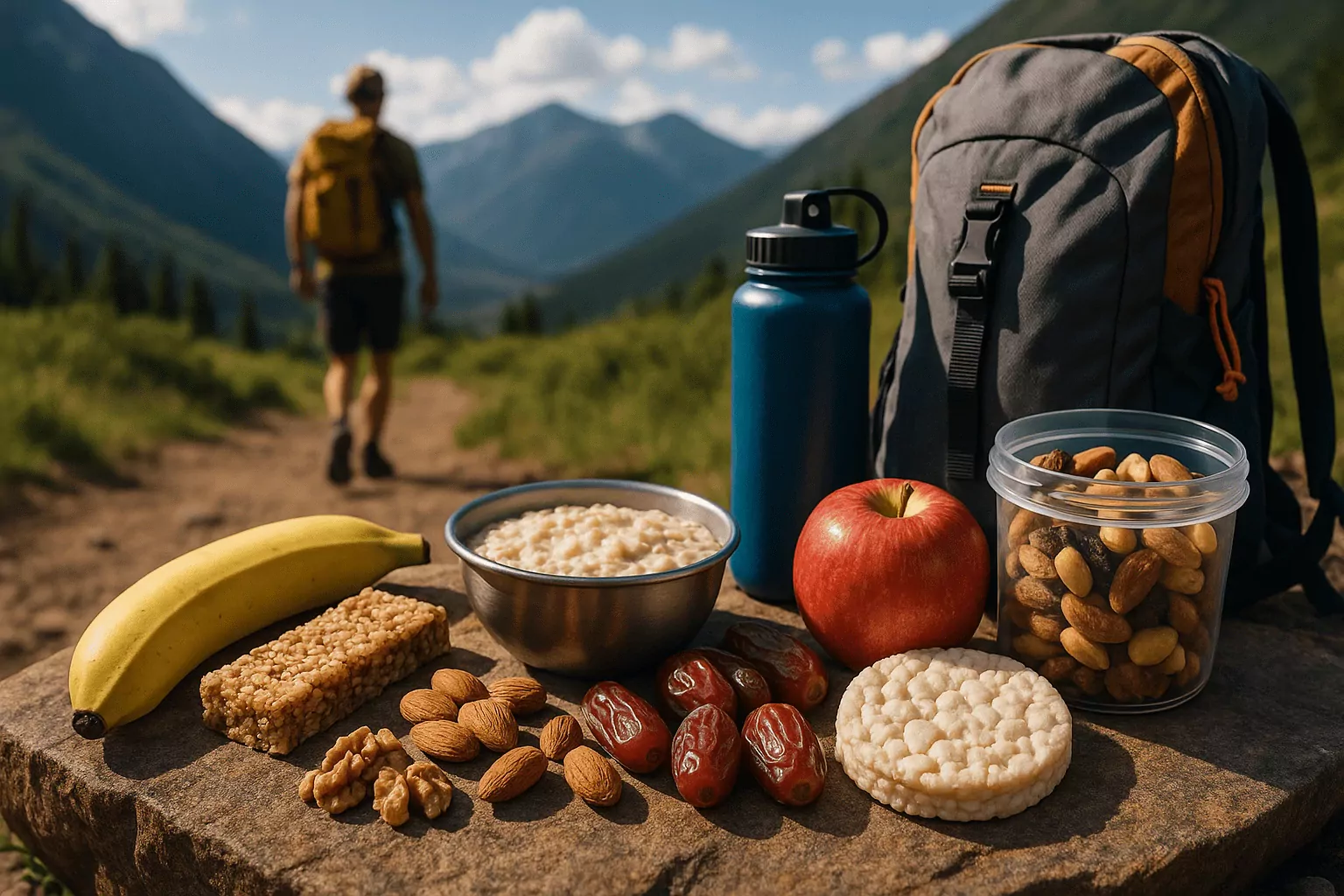
The best hiking food for longevity supports steady energy, joint health, and recovery. Smart trail nutrition helps you go farther with fewer energy dips. It is also easier on digestion during steep climbs and long descents. This guide ranks proven, nutrient-dense foods that hold up on the trail. Learn how to pack efficiently, time your intake, and combine foods for endurance. For a quick start, see our link on best hiking food for longevity and build your plan today.
1. Nuts and seeds: best hiking food for longevity foundations
Nuts and seeds deliver healthy fats, protein, and minerals in a tiny package. Almonds, walnuts, and pumpkin seeds travel well and resist crushing. Their fiber slows digestion and flattens energy spikes. This makes effort feel smoother on long climbs. A 2-ounce mix often provides 300 to 350 calories with strong satiety.
Upgrade a basic trail mix with walnuts for omega-3s and cacao nibs for antioxidants. Add salt if you sweat heavily in heat. One thru-hiker reported fewer bonks after switching to a walnut-heavy blend. Keep portions in small bags for pacing. Aim for a handful every 60 to 90 minutes on steep sections.
2. Lean jerky and biltong: best hiking food for longevity protein
Jerky and biltong offer dense protein without bulk. Protein supports muscle repair and reduces soreness day to day. Choose lean cuts with minimal sugar and preservatives. Turkey and grass-fed beef are reliable options on long treks. A small 1-ounce strip can deliver 9 to 12 grams of protein.
Use jerky as your recovery anchor at long breaks. Pair with fruit to speed glycogen refilling. Many hikers find this combo curbs late-day cravings. If sodium worries you, compare labels and rotate brands. The ISSN highlights protein's role in endurance recovery and strength over time.
3. Nut butter packets - best hiking food for longevity convenience
Single-serve nut butter packets are easy calories with crucial fats. Almond, peanut, and cashew options slide into side pockets. Healthy fats stabilize energy and support joint comfort. They also aid vitamin absorption from produce. A packet often provides 180 to 220 calories in seconds.
Squeeze onto a tortilla or apple slices for fast fuel. Add a drizzle of honey for quick carbs on steep grades. One ultralight hiker used three packets daily as a base. He reported better energy and lighter pack weight. Look for simple ingredients and a pinch of sea salt.
4. Dried fruit and dates - best hiking food for longevity carbs
Dried fruit delivers fast, portable carbohydrates with key micronutrients. Dates, apricots, and mango pieces are trail favorites. They provide potassium for cramps and natural sweetness. This makes them ideal for quick climbs and switchbacks. Most servings give 20 to 30 grams of easy carbs.
Pair dried fruit with protein to blunt blood sugar swings. Jerky and dates or nuts and apricots work well. A weekend group test showed steadier pacing with this combo. Keep pieces bite-sized for effortless snacking. Choose unsulfured options if you are sensitive.
5. Oats and chia cups - best hiking food for longevity breakfasts
Oats provide slow carbs and beta-glucan fiber for steady output. Chia seeds add omega-3s and a hydrating gel texture. This breakfast supports gut comfort during early miles. It also keeps you full for longer segments. Many hikers prep overnight oats in a screw-top cup.
Mix oats, chia, milk powder, and cinnamon in bags. Add water at camp for a no-cook option. Top with nuts for crunch and extra calories. A guide from Colorado saw reduced mid-morning bonks with this setup. Keep portions moderate to avoid heaviness.
6. Extra-virgin olive oil packets - best hiking food for longevity fats
Olive oil adds dense calories without bulk. Its monounsaturated fats support heart health over time. Single-serve packets prevent spills and waste. Drizzle on grains or tuna for quick energy. One packet can add 120 calories with minimal weight.
Choose extra-virgin oil for polyphenols and flavor. Keep packets in a small plastic bag for safety. Stir into couscous at lunch for an easy boost. A section hiker used two packets daily on alpine routes. He noted warmer hands and smoother energy late day.
7. Dehydrated beans and whole grains - best hiking food for longevity meals
Dehydrated lentils, chickpeas, and quinoa offer complete meals. They bring fiber, protein, and minerals in compact form. Quick-cooking blends save fuel and time in camp. Add spices and oil for taste and calories. This supports recovery while keeping weight low.
Pre-mix portions with bouillon and herbs at home. Add olive oil for flavor and absorption. One case study saw improved sleep with this dinner base. The steady carbs helped night-time repair. Rotate beans to keep digestion happy on multi-day trips.
8. Canned or pouch salmon and tuna - best hiking food for longevity omega-3s
Fish pouches supply protein and omega-3 fats without a can opener. Omega-3s support brain function and reduce inflammation. This comfort adds up over big mileage weeks. Pouches are lighter and pack flatter than cans. Choose low-mercury options and responsible sources.
Mix tuna with mustard or olive oil for quick wraps. Salmon pairs well with whole-grain crackers. A marathon hiker cut knee soreness using salmon twice weekly. He also reported better mood on cold mornings. Drain carefully and pack out all waste.
9. Dark chocolate 70%+ - best hiking food for longevity antioxidants
Dark chocolate brings flavanols that support blood flow. It also delivers quick energy and morale on hard days. Choose 70% or higher for benefits and less sugar. Break bars into squares to pace intake. Store near the top of your pack in cool weather.
Pair chocolate with nuts for a balanced snack. Add to morning oats for taste and antioxidants. A small square before a climb can lift focus. Keep total servings modest to avoid sugar spikes. Choose brands with simple, short ingredient lists.
10. Electrolyte mix and salt - best hiking food for longevity hydration
Electrolytes keep nerves and muscles firing under stress. Sodium, potassium, and magnesium balance helps prevent cramps. Mix packets are light and easy to dose. Use more on hot or high-altitude days. Aim for steady sipping rather than big gulps.
Test flavors during training hikes to avoid surprises. Pair with snacks to aid absorption and comfort. A desert hiker reduced headaches by tracking sodium intake. She used lightly salted foods plus a low-sugar mix. Adjust amounts based on sweat rate and pace.
Packing the best hiking food for longevity is about balance and planning. Combine slow carbs, quality fats, and lean proteins daily. Use electrolytes to match heat, altitude, and sweat. Keep portions small and frequent to avoid energy swings. Test everything during training hikes before big routes. For custom fuel plans, explore our guides and services below.
Frequently Asked Questions
What macronutrient ratio works best for multi-day hikes?
A balanced approach serves most hikers well. Try 50 to 60 percent carbs for fuel. Keep 20 to 25 percent from fats for dense energy. Aim for 15 to 20 percent protein for repair. Adjust higher carbs for steep, fast days. Shift higher fats for colder, slower treks.
How can I store trail foods safely in varied weather?
Use airtight bags and hard-sided containers where crushing is likely. Keep oil packets and chocolate away from direct sun. In summer, separate salty snacks to reduce moisture clumping. Label day-by-day rations for quick access. Always pack out all waste and used pouches. Follow food safety guidance from reliable sources for peace of mind.
What are smart vegetarian options for complete protein?
Combine grains and legumes for full amino coverage. Lentil-quinoa blends are fast and satisfying. Add seeds or nuts for extra leucine and calories. Pair with olive oil for flavor and absorption. Soy jerky and roasted chickpeas travel well. Many hikers rotate these to keep variety high.

© 2025 Trailgevity