
Top 5 Low-Impact Outdoor Workouts for Older Adults to Stay Active
Boost your fitness with these five gentle outdoor workouts designed specifically for older adults seeking an active lifestyle.
Introduction
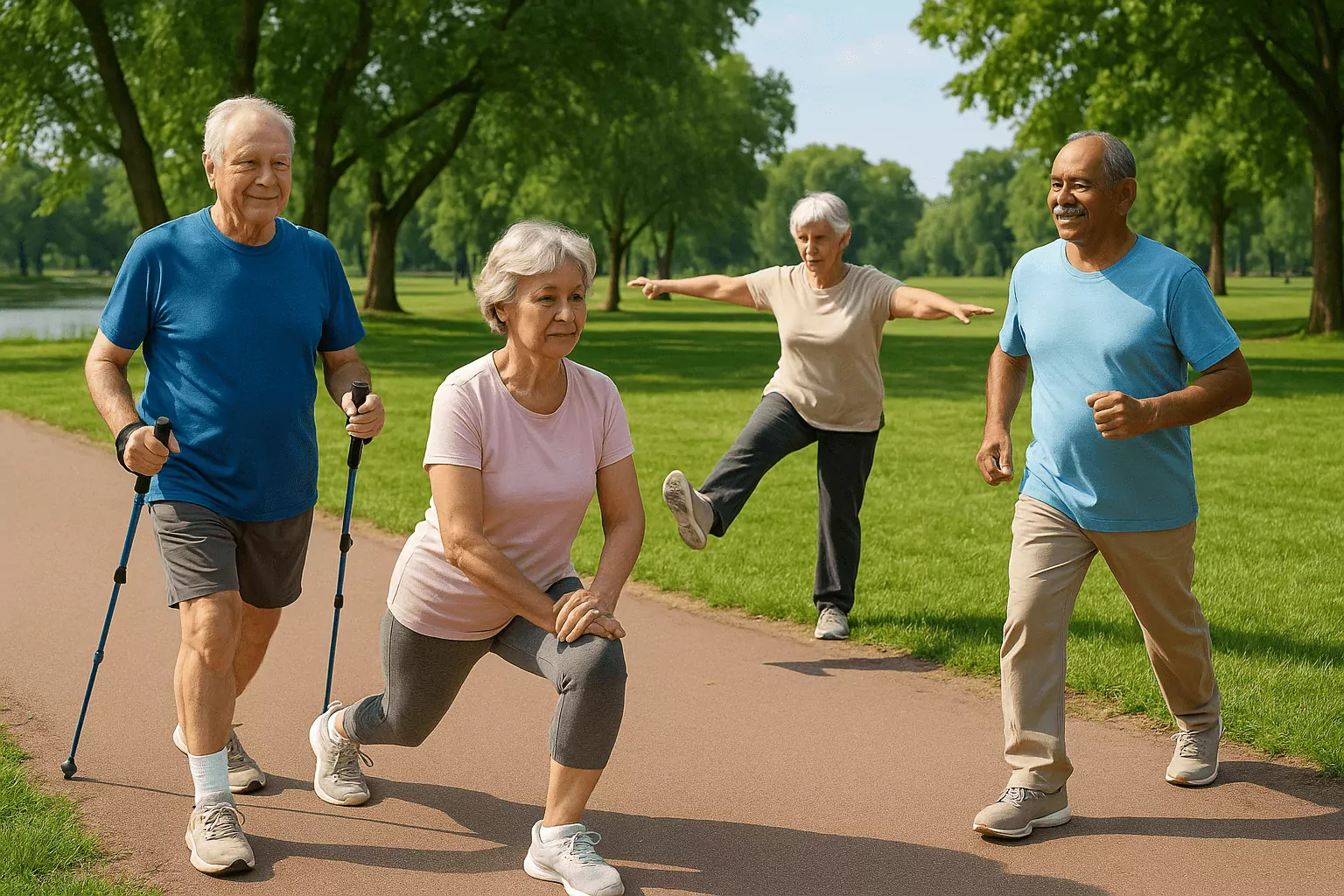
Staying active does not have to be hard on your joints. These low-impact outdoor workouts for older adults build strength, balance, and stamina without strain. Many seniors prefer outdoor movement for fresh air, sunlight, and mood support. Explore options that meet you where you are and feel enjoyable. Try one small step today and celebrate progress along the way. Learn more and start with low-impact outdoor workouts for older adults that fit your goals.
Main Content
1. Scenic Walking Intervals - low-impact outdoor workouts for older adults
Interval walking alternates easy and brisk paces on comfortable routes. Choose smooth park paths, quiet sidewalks, or a local track. Warm up five minutes, then do 1 minute brisk and 2 minutes easy. Repeat 6 to 10 cycles, then cool down and stretch. A simple watch or trail markers help you stay consistent.
Ruth, 72, built up from 10 to 30 minutes in eight weeks. She tracked sessions three days weekly and noticed better balance and energy. The CDC suggests 150 minutes of moderate activity each week for older adults. Break that into short, doable walks most days of the week. Talk with your clinician if you have heart or mobility concerns before increasing pace.
2. Park Bench Strength Circuit - low-impact outdoor workouts for older adults
A sturdy bench becomes a full-body, joint-friendly gym outdoors. Try sit-to-stands for legs, incline push-ups for chest, and step-ups for balance. Do 8 to 12 reps per move, resting briefly between sets. Complete two rounds at first and add a third when ready. Keep knees aligned and move with slow, controlled form.
Jorge, 68, progressed from chair-height sits to unassisted squats over six weeks. His confidence improved, and stairs felt easier at home. Strength sessions twice weekly support bone density and fall prevention. For guidance, check our senior fitness services and local coaching options. Pair this circuit with an easy walk for a balanced outdoor routine.
3. Gentle Cycling on Greenways - low-impact outdoor workouts for older adults
Cycling is kind to hips and knees while boosting heart health. Choose flat greenways, paved trails, or quiet neighborhoods. Adjust your seat so your knee stays slightly bent at the bottom. Aim for a smooth cadence you can maintain while chatting. Always wear a helmet and bright layers for visibility.
Mae, 70, began with 15-minute rides and added five minutes weekly. She now cycles 30 to 40 minutes, three days a week, without knee pain. The American Heart Association notes cycling supports endurance and cardiovascular health. E-bikes can help on gentle hills while keeping effort steady. Bring water and plan shaded routes on warmer days.
4. Tai Chi in the Park - low-impact outdoor workouts for older adults
Tai chi uses slow, flowing movements to train balance and focus. It can reduce fall risk and calm the nervous system. Start with 10 to 15 minutes, learning a few basic forms. Outdoor classes add social connection and gentle sunlight. Soft shoes and a flat lawn help maintain stable footing.
Research summarized by the National Institute on Aging highlights tai chi benefits for stability. Sam, 74, reported fewer stumbles and better posture after two months. Breathe steadily and keep your movements relaxed and coordinated. Add light stretches before and after to improve flexibility. Check your community center or senior balance tips for beginner routines.
5. Water Walking and Aqua Aerobics - low-impact outdoor workouts for older adults
Water supports your body and reduces joint loading greatly. Many parks and YMCAs offer outdoor pools in season. Try water walking in the shallow end for 20 to 30 minutes. Add gentle arm sweeps or pool noodle pushes for upper-body work. Wear water shoes for traction and reapply sunscreen as needed.
Lena, 69, eased arthritis discomfort with aqua classes twice weekly. The Arthritis Foundation notes aquatic exercise can reduce pain and stiffness. Use a flotation belt if balance feels uncertain during deeper movements. Start slowly and focus on smooth, pain-free ranges of motion. Ask the lifeguard about lane times best suited for low-impact training.
Conclusion
These low-impact outdoor workouts for older adults make movement accessible and enjoyable. Mix walking intervals, bench strength, cycling, tai chi, and water sessions for variety. Start small, be consistent, and celebrate each milestone you achieve. Invite a friend or join a class to boost accountability and fun. If you want tailored guidance, explore our senior fitness services and schedule a call. Active Aging Fitness, Springfield IL, call (555) 123-4567 to get started today.
Frequently Asked Questions
How often should I do these workouts each week?
Most older adults do well with activity on most days. The CDC recommends 150 minutes of moderate weekly movement and strength twice weekly. You can split that into 20 to 30 minutes per day, five days weekly. Alternate walking or cycling days with strength or tai chi days. Listen to your body and add rest after harder sessions. Increase time by 5 to 10 minutes per week to progress safely.
What gear do I need to get started safely?
Supportive walking shoes are the top priority for comfort and alignment. Add layered clothing, a brimmed hat, and sunscreen for outdoor protection. A water bottle, light snack, and ID help you stay prepared. For strength, a mini resistance band fits easily in a pocket. Cyclists need a properly fitted helmet and bright outerwear. Consider a phone, whistle, or buddy for added safety during solo sessions.
How should I adapt workouts if I have arthritis or balance limits?
Choose level surfaces, shorter intervals, and slower motions at first. Use a bench, rail, or walking pole for extra stability as needed. Water-based exercise and tai chi are especially friendly to sore joints. Keep exertion at a conversational pace and stop with any sharp pain. Review medications, hydration, and timing with your clinician. For a personalized plan, contact our team through the contact page before starting.

© 2025 Trailgevity