
Why Hiking is One of the Best Health Benefits for Seniors
Boost physical and mental well-being with hiking, tailored specifically for seniors seeking an active lifestyle.
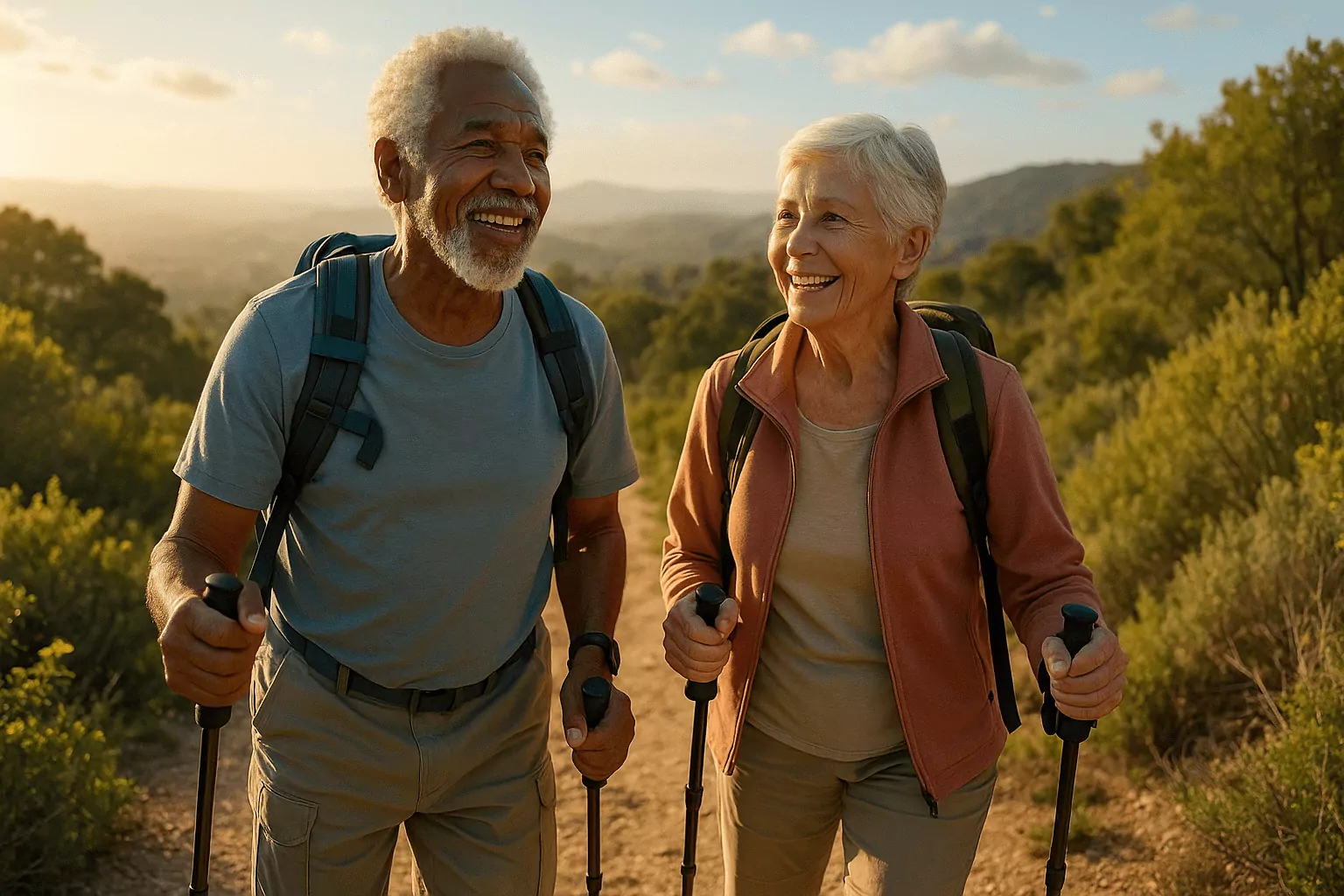
Why Hiking is One of the Best Health Benefits for Seniors
As we age, maintaining our physical and mental well-being becomes increasingly important. One of the most enjoyable and beneficial activities for seniors is hiking. The health benefits of hiking for seniors are numerous, providing both physical and mental enhancements that can greatly improve their quality of life. Engaging with nature while hiking not only promotes physical fitness but also boosts mental health by reducing stress and anxiety. Furthermore, the social aspect of hiking can help combat loneliness, a common issue among older adults. In this article, we will explore the myriad benefits of hiking for seniors, along with practical tips for getting started safely and effectively.
1. Physical Fitness and Endurance
Hiking is an excellent way for seniors to improve their physical fitness. It promotes cardiovascular health by increasing heart rate and improving circulation. Regular hiking can lead to weight management, muscle strengthening, and better overall endurance. For example, a study conducted by the National Institute on Aging indicates that older adults who engage in regular physical activities, such as hiking, experience fewer chronic health issues. Additionally, hiking can help seniors maintain their mobility and independence, which is crucial for their overall quality of life.
Moreover, hiking involves various terrains, which can enhance balance and coordination. The varying inclines and declines stimulate different muscle groups, leading to comprehensive fitness gains. Hiking not only strengthens the legs but also engages the core and upper body, especially when using trekking poles. Regular practice can increase flexibility and reduce the risk of falls, a significant concern for older adults.
To start, seniors should choose trails that match their fitness levels. Many parks offer easy to moderate trails that provide a safe environment for seniors to enjoy. Incorporating regular hikes into their routine can lead to noticeable improvements in stamina and strength, making everyday activities easier and more enjoyable.
2. Mental Health Benefits
The mental health benefits of hiking for seniors cannot be overstated. Spending time in nature has been shown to significantly reduce symptoms of anxiety and depression. Nature acts as a natural stress reliever, providing a calming effect that can enhance mood and emotional well-being. Studies have demonstrated that outdoor activities, including hiking, can lead to a decrease in cortisol levels, the hormone associated with stress.
Additionally, hiking can improve cognitive function. Engaging with nature stimulates the brain, promoting creativity and problem-solving skills. Seniors often report feeling a sense of accomplishment after completing a hike, which can boost their confidence and self-esteem. Group hikes can also provide social interaction, reducing feelings of isolation and loneliness, which are common in older adults.
To maximize these benefits, seniors can consider hiking with friends or joining local hiking clubs. This not only makes the experience more enjoyable but also fosters a sense of community and support. As they hike and share experiences, they can build lasting friendships while reaping the mental health benefits of this activity.
3. Connection with Nature
Hiking offers seniors a unique opportunity to connect with nature, which is crucial for mental and emotional health. Being outdoors and surrounded by natural beauty can lift spirits and promote a sense of peace. This connection to nature can be particularly beneficial for those living in urban environments, where exposure to green spaces is limited. Engaging with the outdoors can lead to a greater appreciation for the environment and encourage sustainable practices.
Moreover, hiking can provide a sensory experience that enriches life. The sights, sounds, and smells of nature can evoke positive memories and emotions, enhancing overall well-being. Seniors can observe wildlife, enjoy scenic views, and experience the changing seasons, all of which can contribute to a fulfilling and enriching life.
To fully embrace this connection, seniors should explore diverse hiking environments such as forests, mountains, or coastal trails. Each setting offers unique experiences and opportunities for discovery. Taking time to pause and appreciate the surroundings can amplify the joy of hiking, making it a meaningful activity.
4. Practical Tips for Safe Hiking
While hiking is highly beneficial, safety should always be a priority, especially for seniors. Before embarking on a hike, it is essential to prepare adequately. Seniors should consult with a healthcare provider to ensure they are fit for the activity, especially if they have pre-existing health conditions. It is also crucial to choose appropriate trails that match their fitness level.
Dressing in layers is advisable to accommodate changing weather conditions. Comfortable, supportive footwear is essential to prevent injuries. Additionally, seniors should always carry water and snacks to stay hydrated and energized throughout the hike. Utilizing trekking poles can provide stability and reduce strain on the joints, especially on uneven terrain.
Hiking is an enriching activity that provides numerous health benefits of hiking for seniors, enhancing both physical fitness and mental well-being. By embracing nature, seniors can experience improvements in their health, confidence, and social connections. Whether it's a leisurely stroll through a park or a challenging mountain trail, hiking offers something for everyone. We encourage seniors to explore nearby trails and start hiking today for a healthier and happier lifestyle. For more resources and tips, feel free to visit our blog or contact us directly to learn more about local hiking opportunities. Additionally, be sure to review our Terms of Service and Privacy Policy for further information.
Lastly, consider hiking with a buddy or joining a group. This not only enhances safety but also adds a social element to the experience. Many local parks offer guided hikes for seniors, which can provide both safety and expert knowledge about the trail. See the CDC Hygiene for additional guidance.
FAQs
What are the physical benefits of hiking for seniors?
The physical benefits of hiking for seniors include improved cardiovascular health, increase in strength and endurance, and enhanced balance and coordination. Regular hiking helps maintain a healthy weight and can improve mobility, making everyday activities easier. Moreover, hiking engages multiple muscle groups, promoting overall fitness and reducing the risk of chronic conditions.
How does hiking benefit mental health?
Hiking significantly benefits mental health by reducing stress and anxiety levels. Being in nature provides a calming effect, which can enhance mood and emotional well-being. Studies indicate that outdoor activities like hiking can decrease cortisol levels, leading to improved mental clarity and cognitive function. Engaging in social hikes also fosters connections, which combat feelings of loneliness.
What should seniors consider before hiking?
Before hiking, seniors should consider their fitness level and consult with a healthcare provider if necessary. It is essential to choose trails that match their ability and to prepare adequately with the right gear, including appropriate footwear and clothing. Staying hydrated and bringing snacks can ensure they maintain energy levels throughout the hike.

© 2025 Trailgevity